No products in the cart.

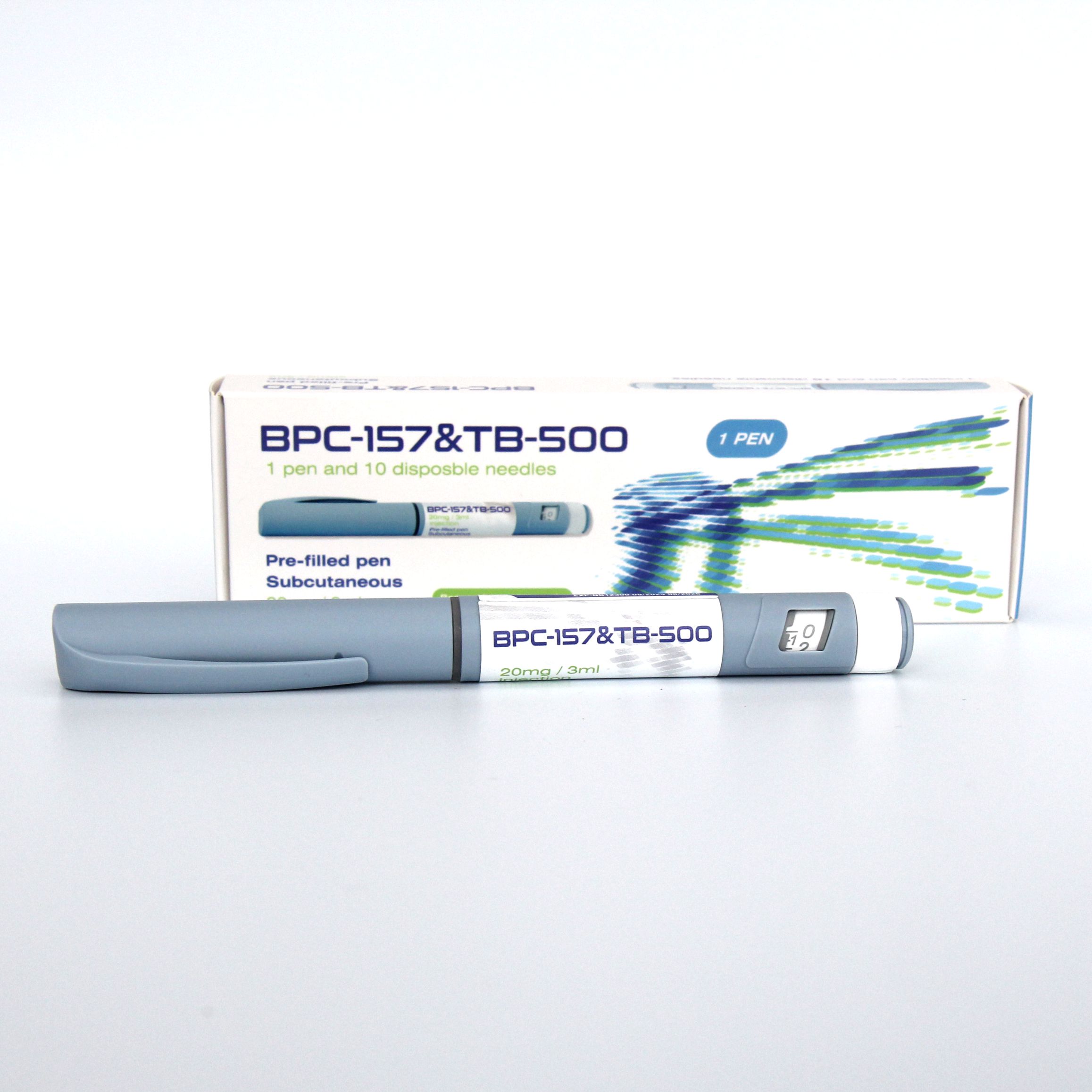
BPC 157 & TB 500 BLEND 20MG: Key Research Facts
BPC 157 Blend Guide: Uses, Research, and Key Facts
Peptide researchers constantly face a familiar bottleneck: sourcing multiple compounds separately, reconciling inconsistent purity standards, and managing the logistical overhead of working with two distinct lyophilized samples side by side. The BPC 157 blend with TB-500 addresses that friction directly. This guide covers what the BPC 157 & TB-500 blend is, why it matters for preclinical and analytical research, who it serves best, and how to get started — so you can spend less time sourcing and more time generating reproducible data.
What Is the BPC 157 & TB-500 Blend?
The BPC 157 & TB-500 blend is a laboratory-grade, lyophilized composite peptide formulation that combines two well-studied research peptides into a single 20mg sample. BPC-157 (Body Protection Compound 157) is a synthetic pentadecapeptide derived from a protective protein found in gastric juice. TB-500 is a synthetic analog of Thymosin Beta-4, a naturally occurring peptide involved in cellular signaling and tissue-level processes studied extensively in preclinical models.
Together, these two peptides represent complementary areas of biochemical inquiry. Researchers studying cellular repair pathways, angiogenesis, or connective tissue biology often find that examining both compounds within the same experimental framework yields richer comparative data. Rather than managing two separate vials with potentially different reconstitution batches, the BPC 157 blend consolidates both into one analytically consistent lyophilized powder.
This product is manufactured under strict quality protocols and is sold exclusively for scientific, laboratory, and analytical research use. It is not intended for human or veterinary consumption. Every batch is designed to support reproducible outcomes — a non-negotiable standard when your research data needs to hold up to peer scrutiny.
The lyophilized format is intentional. Freeze-drying removes moisture from the peptide matrix, which dramatically extends shelf stability and reduces degradation risk during shipping and storage. For labs that don’t reconstitute samples immediately, this matters enormously.
Key Benefits and Features
Combined BPC-157 and TB-500 in One 20mg Research Blend
Sourcing a research peptide blend that combines two compounds in pre-measured proportions removes a significant variable from your experimental setup. You get a consistent 20mg composite formulation per unit, which simplifies dosing calculations for in vitro and preclinical study designs. Researchers no longer need to manually combine separately sourced peptides, reducing the risk of cross-contamination or ratio inconsistency between experimental runs.
Supplied as a Lyophilized Composite Peptide Powder
The lyophilized peptide powder format is the gold standard for research-grade peptide storage. Lyophilization preserves the molecular integrity of both BPC-157 and TB-500 by removing water through sublimation under controlled vacuum conditions. This results in a stable, dry powder that reconstitutes cleanly when you’re ready to use it. For labs with variable storage conditions or longer project timelines, this format provides meaningful protection against degradation.
Manufactured Under Strict Quality Protocols for Reproducible Research
Reproducibility is the backbone of credible research. Laboratory-grade peptides manufactured under rigorous quality protocols give your team a reliable foundation for study after study. Each batch is produced under conditions designed to minimize variance in purity and composition — so your data reflects the biology you’re studying, not inconsistencies in your reagents. When reviewers scrutinize your methodology, sourcing from a quality-controlled manufacturer strengthens your position.
Secure Packaging That Preserves Chemical Integrity
Even the most carefully manufactured peptide can degrade if packaging fails during transit. Secure, integrity-preserving packaging ensures the lyophilized composite arrives in research-ready condition. This is especially relevant for BPC 157 research peptides and TB-500, which can be sensitive to humidity and temperature fluctuations. Proper packaging isn’t a minor detail — it’s the last line of defense between the manufacturer’s quality controls and your lab bench.
Sold Exclusively for Laboratory and Analytical Research Use
This product is designed and sold strictly for controlled scientific investigation. That compliance framing matters for institutional purchasing, IRB documentation, and grant-funded research environments where sourcing transparency is audited. Working with a supplier that clearly defines the research-only scope of their products helps labs maintain clean procurement records and reduces compliance risk.
Who Is This For? Addressing Your Pain Points
If you’re a researcher, laboratory technician, or preclinical study coordinator who has spent time cross-referencing purity certificates from two different peptide suppliers — only to find batch-to-batch inconsistencies that complicate your comparative analysis — this product was built for your workflow.
Academic teams conducting biochemical studies on tissue repair mechanisms or angiogenic signaling often need both BPC-157 and TB-500 on hand simultaneously. Ordering them separately means double the procurement paperwork, double the shipping timelines, and double the variables. The BPC 157 TB-500 blend collapses that into a single SKU, a single certificate of analysis review, and a single reconstitution protocol.
Biotech and preclinical research environments face a different version of the same problem: budget constraints and timeline pressure. When your project window is tight, waiting on backordered peptides from multiple vendors can stall your entire study. A pre-combined TB-500 research blend with BPC-157 keeps your timeline intact and your experimental design clean.
For researchers newer to peptide procurement, the blend format also reduces the cognitive load of managing multi-compound studies. You don’t need to calculate how much of each peptide to combine — the ratio is already established in the formulation. That’s one fewer source of human error in your experimental setup.
Pro tip: Always verify that your supplier provides documentation supporting the purity and composition of any lyophilized blend. A reputable manufacturer will make this information accessible without you having to chase it down.
How to Get Started with the BPC 157 & TB-500 Blend
Getting this product into your research pipeline is straightforward. Here’s a practical walkthrough from order to bench-ready sample:
- Review your study protocol first. Before ordering, confirm that your experimental design calls for a combined BPC-157 and TB-500 sample. Understand the concentration range your study requires so you can plan reconstitution volumes accordingly.
- Place your order through the product page. Visit the BPC 157 & TB-500 Blend product page and complete your order. The lyophilized format ships in secure packaging designed to maintain integrity during transit.
- Store correctly upon arrival. Once your shipment arrives, store the lyophilized vial according to standard peptide storage guidelines — typically in a freezer at -20°C if not reconstituting immediately. Avoid repeated freeze-thaw cycles.
- Reconstitute using bacteriostatic water. When you’re ready to use the peptide blend in your study, reconstitute the lyophilized powder with the appropriate volume of bacteriostatic water or your lab’s preferred solvent. Calculate your target concentration based on your protocol’s requirements.
- Document your sourcing and batch details. For reproducibility and compliance, log the supplier, batch reference, and any available purity documentation in your lab records before beginning your study. This step is often skipped and almost always regretted later.
Frequently Asked Questions
What is the difference between BPC 157 and TB-500 in a research context?
BPC-157 is a synthetic pentadecapeptide studied for its effects on cellular signaling pathways related to tissue and vascular biology in preclinical models. TB-500 is a synthetic analog of Thymosin Beta-4, investigated for its role in actin regulation and cell migration studies. While they are distinct peptides with different molecular mechanisms, researchers often study them together because their areas of biological inquiry overlap in preclinical tissue and repair pathway research. The BPC 157 blend with TB-500 allows both to be examined within a unified experimental framework.
Why is a lyophilized peptide powder preferred for laboratory research?
Lyophilized peptide powders offer superior stability compared to liquid formulations because the freeze-drying process removes water — the primary driver of peptide degradation. This makes lyophilized peptides easier to store, ship, and use across extended research timelines without significant loss of structural integrity. For a combined formulation like the BPC-157 and TB-500 blend, lyophilization also ensures both peptides remain stable within the same matrix. Researchers can reconstitute only what they need and keep the remainder stored safely.
Is the BPC 157 TB-500 blend suitable for human use?
No. This product is manufactured and sold exclusively for laboratory, analytical, and scientific research use. It is not approved, intended, or labeled for human or veterinary consumption. Researchers and institutions purchasing this product should use it strictly within controlled study environments in accordance with applicable regulations and institutional guidelines.
How should I store the BPC 157 and TB-500 blend peptide powder?
Store the lyophilized composite peptide powder in a freezer at approximately -20°C when not in active use. Keep the vial sealed and away from moisture, light, and temperature fluctuations until you’re ready to reconstitute. Once reconstituted, use the solution within a timeframe consistent with your lab’s standard operating procedures for peptide solutions, and avoid repeated freeze-thaw cycles, which can compromise peptide integrity.
Where can I find laboratory-grade peptides like this BPC 157 blend for research?
Laboratory-grade peptide blends designed for research use are available from specialized suppliers that manufacture under documented quality protocols and provide accessible batch documentation. Arma Peptides offers the BPC 157 & TB-500 blend as a lyophilized research formulation through their online product catalog. Always verify that any supplier you work with can provide purity and composition documentation to support your research records and institutional compliance requirements.
Ready to Add This Blend to Your Research Program?
The BPC 157 & TB-500 blend delivers a consolidated, analytically consistent lyophilized formulation that simplifies multi-compound peptide research without sacrificing quality or reproducibility. Whether you’re running preclinical studies, biochemical assays, or comparative peptide analyses, having both compounds in a single, quality-controlled sample is a genuine efficiency advantage. Don’t let sourcing complexity slow down your science.
Explore current offers and connect with the team directly — Exclusive Deals on Telegram — and take the next step toward a cleaner, more streamlined research supply chain today.
Michel –
Tried a small order first and had a positive experience. Easy ordering, helpful support, and good communication throughout.