No products in the cart.

Melanotan 2 Peptide Review: Uses, Research, and Quality
Melanotan 2 peptide has earned serious attention in peptide research circles — and for good reason. As a cyclic lactam analogue of alpha-melanocyte-stimulating hormone (α-MSH), it offers researchers a well-characterized tool for studying melanocortin receptor interactions, signaling pathways, and molecular behavior in controlled in-vitro settings. Whether you’re building out a receptor activity study or investigating downstream signaling cascades, understanding what this compound is, how it performs under lab conditions, and what separates a reliable supply from a questionable one matters enormously. This guide covers all of it: the science, the features, the ideal use cases, and how to get started.
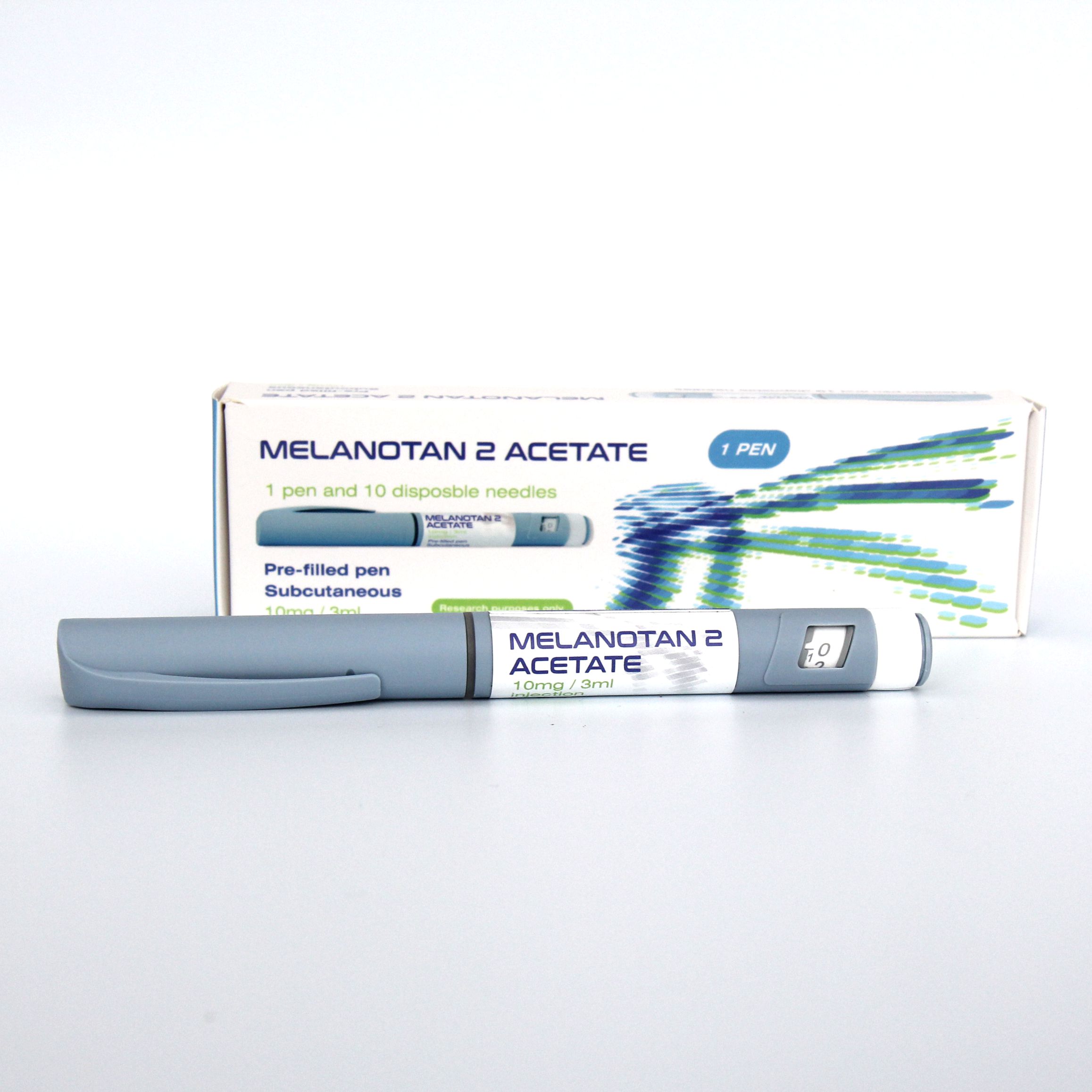
What Is Melanotan 2 Acetate 10mg?
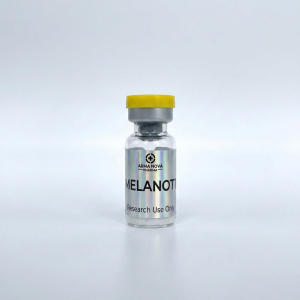
Melanotan 2 peptide — formally known as MT-II or Melanotan II — is a synthetic analogue of α-MSH, a naturally occurring neuropeptide that binds to melanocortin receptors (MCRs). In its acetate salt form, it offers enhanced stability and solubility, making it a preferred format for laboratory-grade research applications. The 10mg format is a standard research quantity that provides enough material for multiple experimental runs without requiring immediate reorder cycles.
At the molecular level, Melanotan 2 is a cyclic heptapeptide. Its cyclic structure — achieved through a lactam bridge — differentiates it from its linear predecessor, Melanotan 1, and contributes to its increased potency and receptor selectivity. Specifically, MT-II demonstrates affinity for MC1R, MC3R, MC4R, and MC5R subtypes, making it a versatile probe for in-vitro peptide research targeting multiple receptor systems simultaneously.
This compound is not intended for human or veterinary use. It is designed exclusively for laboratory scientists and research institutions conducting controlled, in-vitro studies. When sourced at the correct purity grade, Melanotan 2 acetate 10mg provides a reliable, reproducible research compound that meets the consistency demands of academic and industrial R&D environments.
Researchers often ask about Melanotan 2 vs Melanotan 1 — the key distinction is structural. MT-I (afamelanotide) is a linear peptide with selective MC1R affinity, while MT-II’s cyclic structure gives it broader receptor binding activity. For studies requiring multi-receptor interaction data, MT-II is typically the more informative choice.
Key Benefits and Features
High-Purity 10mg Format for Reliable In-Vitro Peptide Research
Purity is non-negotiable in peptide receptor interaction studies. Even minor contaminants can skew binding assay results, corrupt dose-response curves, or introduce artifacts into signaling pathway data. This Melanotan 2 acetate 10mg product is formulated to high-purity standards, ensuring that what you’re working with in the assay is what you think you’re working with. That level of confidence directly translates into reproducible results and defensible data.
Laboratory-Grade Formulation for Controlled Studies
A laboratory-grade peptide isn’t just about the active compound — it’s about the entire formulation process. This product is produced under strict manufacturing controls to ensure batch-to-batch consistency, which is critical when running parallel experiments or replicating previously published protocols. Researchers working in academic peptide research settings know that inconsistency at the compound level creates downstream problems that are difficult and time-consuming to troubleshoot.
Strict Quality Control for Consistency and Stability
Quality control at the synthesis and post-synthesis stages protects the structural integrity of the peptide. Melanotan 2’s cyclic lactam structure is sensitive to degradation under improper storage or handling conditions. Rigorous QC protocols — including HPLC purity testing and mass spectrometry confirmation — ensure the compound arrives at your lab in its intended form, ready for immediate use in signaling pathway or receptor activity studies.
Packaging Designed to Maintain Structural Integrity
Peptide degradation often begins before the compound even reaches the researcher — during shipping and handling. This product is packaged specifically to protect structural integrity throughout transit, using appropriate desiccation and temperature-stable materials. For researchers who have dealt with compromised compounds in the past, this isn’t a minor detail. It’s the difference between a productive experiment and a wasted run.
Exclusive Access for Trained Research Personnel
This compound is intended exclusively for trained research personnel operating within controlled laboratory environments. That exclusivity matters because it ensures the supply chain stays oriented toward legitimate scientific use. For institutional researchers and R&D teams, sourcing from a supplier that enforces this boundary adds a layer of credibility and compliance assurance to their procurement process.
Who Is This For? Addressing Your Pain Points
If you’re a laboratory scientist or academic researcher working with melanocortin receptor systems, you’ve likely run into the same frustrations: inconsistent purity across suppliers, documentation gaps that make it impossible to verify what you’re actually working with, or compounds that arrive degraded because of poor packaging practices. These aren’t minor inconveniences — they derail entire experimental timelines and waste grant funding.
Melanotan 2 acetate 10mg is designed for researchers who can’t afford those variables. This includes:
- Academic researchers running receptor binding assays or signaling pathway studies who need a well-characterized, high-purity compound they can cite with confidence
- Industrial R&D teams exploring melanocortin receptor activity for molecular interaction experiments, where batch consistency directly impacts comparative data
- Professional research institutions that require documented quality control and stable supply chains to support ongoing or multi-phase studies
The pain point for most of these researchers isn’t finding Melanotan 2 — it’s finding it at the right purity, with the right documentation, from a supplier that treats research-grade compounds with the seriousness they demand. In-vitro peptide research depends on compound integrity, and every step of the sourcing and handling process either protects or compromises that integrity.
Pro tip: Always request or verify HPLC and mass spec data before committing to a new peptide supplier. A reputable source will provide this without hesitation.
How to Get Started with Melanotan 2 Acetate 10mg
Getting set up with this compound for your research program is straightforward when you follow a disciplined process. Here’s how to move from initial interest to active experimental use:
- Confirm your research protocol fits in-vitro use. Melanotan 2 acetate is formulated for in-vitro laboratory studies only. Before ordering, ensure your experimental design aligns with this application — receptor binding assays, cell-based signaling studies, and molecular interaction experiments are all appropriate use cases.
- Review available purity documentation. Request or access the Certificate of Analysis (CoA) for the batch you’re ordering. Verify HPLC purity percentage and molecular weight confirmation via mass spectrometry. This step protects your data integrity from the start.
- Order the appropriate quantity. The 10mg format is ideal for most research programs that require multiple experimental runs. If your study requires larger quantities or specific reconstitution volumes, plan your order accordingly to avoid mid-study supply interruptions.
- Prepare your storage environment. Upon receipt, store the peptide per the supplier’s guidelines — typically lyophilized peptides are stored at -20°C in a dry, dark environment. Avoid repeated freeze-thaw cycles, which degrade structural integrity over time.
- Reconstitute carefully for your assay system. Use sterile, appropriate solvents (commonly bacteriostatic water or DMSO, depending on your assay format) and calculate your working concentration based on the confirmed purity of the batch. Aliquot reconstituted peptide immediately to minimize degradation.
- Document and track usage. Maintain accurate records of batch number, reconstitution date, concentration, and storage conditions. This documentation supports reproducibility and is essential for any publication or institutional review process.
Frequently Asked Questions
What is Melanotan 2 acetate used for in research?
Melanotan 2 acetate is used in laboratory research to study melanocortin receptor interactions, particularly MC1R, MC3R, MC4R, and MC5R subtypes. Researchers use it in receptor binding assays, cell-based signaling studies, and molecular interaction experiments conducted under controlled in-vitro conditions. It is not approved for human or veterinary use and is intended solely for trained research personnel in professional laboratory settings.
How does Melanotan 2 differ from Melanotan 1 in research applications?
Melanotan 1 (afamelanotide) is a linear peptide analogue with selective affinity for MC1R, while Melanotan 2 is a cyclic lactam analogue with broader affinity across multiple melanocortin receptor subtypes. This makes MT-II more useful for studies investigating multi-receptor signaling or comparing receptor subtype activity. Researchers choosing between the two should base their selection on which receptor targets are relevant to their specific experimental design.
What purity level should I expect from a high-purity research peptide like Melanotan 2?
For in-vitro peptide research applications, researchers should look for purity levels of 98% or higher, confirmed by HPLC analysis and validated by mass spectrometry for molecular weight accuracy. Lower purity grades introduce impurities that can confound receptor binding data and signaling assay results. Always request a Certificate of Analysis from your supplier before using any peptide batch in a formal research protocol.
How should Melanotan 2 acetate 10mg be stored to maintain stability?
Lyophilized Melanotan 2 acetate should be stored at -20°C in a dry, dark environment to maintain structural stability. Avoid exposing the compound to moisture, heat, or light, as these conditions accelerate degradation of the peptide’s cyclic lactam structure. Once reconstituted, aliquot immediately and store at -80°C if not used within a short timeframe, and avoid repeated freeze-thaw cycles.
Is Melanotan 2 peptide suitable for academic peptide research publications?
Yes, when sourced from a supplier that provides verifiable purity documentation and batch-specific CoA data, Melanotan 2 peptide is appropriate for use in academic research that may be submitted for peer review. Researchers should document the supplier, batch number, purity grade, and reconstitution method in their materials and methods section. Using a laboratory-grade compound with documented QC supports the reproducibility and credibility of published findings.
Ready to Advance Your Research? Start Here.
Melanotan 2 peptide represents one of the most well-characterized tools available for melanocortin receptor and signaling pathway research. When you source it at the right purity, with verified documentation and integrity-focused packaging, it becomes a dependable foundation for reproducible, high-quality in-vitro studies. Don’t let supplier inconsistency be the variable that undermines your data.
Get access to high-purity Melanotan 2 acetate 10mg and connect with a supplier that takes research-grade standards seriously. Join the community and claim Exclusive Deals on Telegram — and keep your research program moving forward with compounds you can trust.

Reviews
There are no reviews yet.