
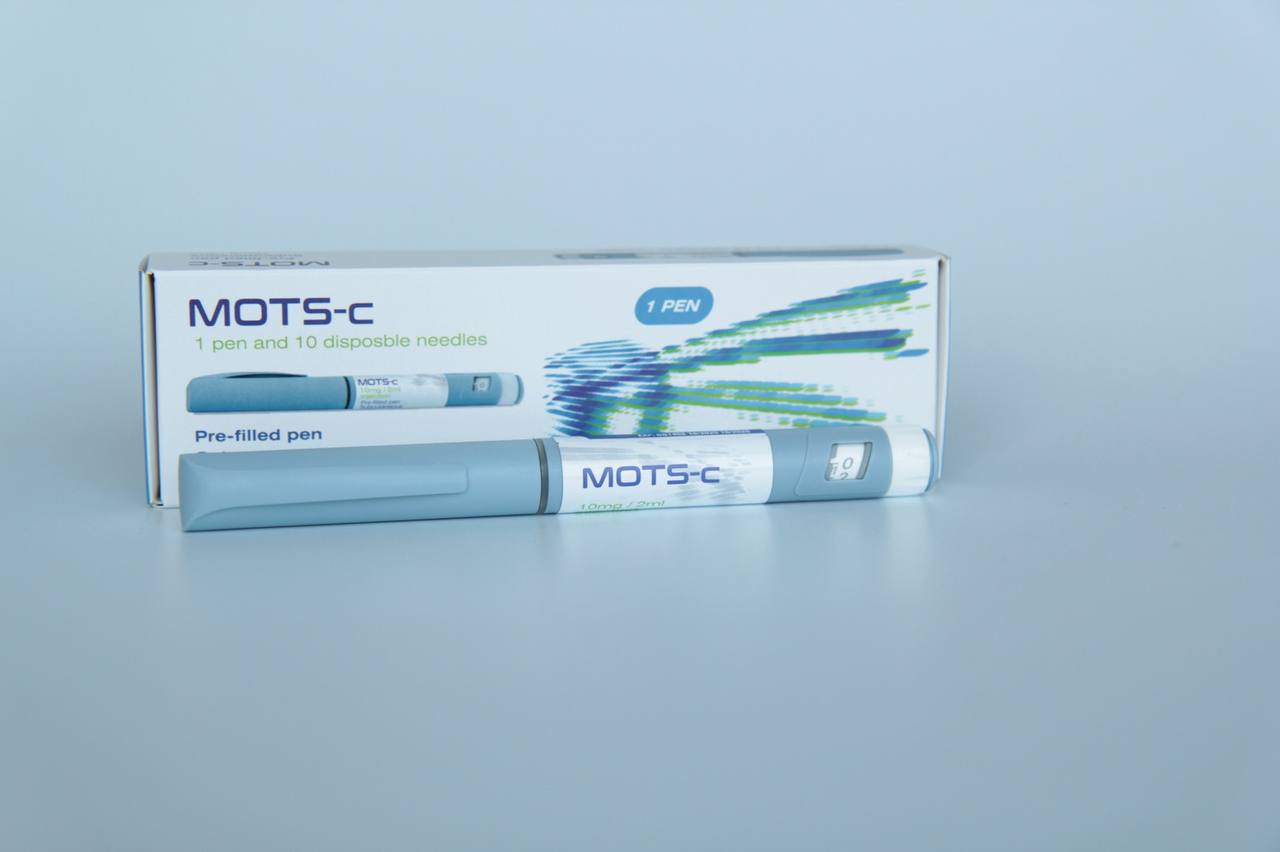
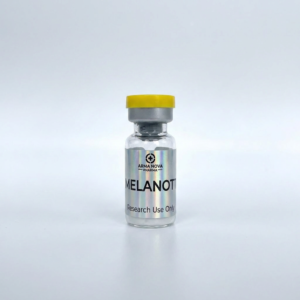
MOTS-C 10MG
£70.00
MOTS-C 10MG is a high-purity, laboratory-grade research compound designed exclusively for scientific investigation and controlled experimental use. Produced under stringent research-grade standards for stability, consistency, and reliable laboratory results.
SOLD FOR RESEARCH PURPOSES ONLY. NOT FOR HUMAN OR VETERINARY USE.
42 people are viewing this product right now
🔥 8 items sold in last 3 hours
MOTS-C Peptide for Research: Uses, Quality, and Safety
Mitochondrial research has entered a new era — and MOTS-C peptide sits at the center of some of the most compelling molecular investigations happening in labs today. Whether you’re studying cellular energy regulation, mitochondrial signaling cascades, or metabolic pathway dynamics, having access to a verified, laboratory-grade compound is non-negotiable. This guide breaks down what MOTS-C is, why it matters for controlled research, who it’s designed for, and how to source it with confidence. By the end, you’ll have a clear picture of what separates a reliable research compound from a questionable one — and exactly how to move forward.
What Is MOTS-C?
MOTS-C (Mitochondrial Open Reading Frame of the 12S rRNA Type-C) is a mitochondria-derived peptide encoded within the 12S ribosomal RNA gene of the mitochondrial genome. Unlike most peptides, which are encoded by nuclear DNA, MOTS-C originates directly from the mitochondria — making it a uniquely positioned molecule for researchers investigating the intersection of mitochondrial biology and systemic cellular signaling.
In research settings, MOTS-C peptide has been studied for its apparent role in regulating metabolic homeostasis, insulin sensitivity pathways, and cellular stress responses. It acts as a retrograde signaling molecule — meaning it can travel from the mitochondria to the nucleus and influence gene expression. That bidirectional communication loop is precisely what makes it so scientifically interesting.
The 10MG format of MOTS-C available for laboratory use is produced under strict quality controls to deliver the purity and consistency that serious scientific investigation demands. Researchers working in academic institutions, biotech environments, or independent labs rely on compounds like this to generate reproducible, trustworthy data. A degraded or impure compound doesn’t just waste budget — it corrupts results.
As a laboratory-grade research compound, MOTS-C is positioned strictly for controlled experimental use. It is not intended for human or veterinary clinical application. Its value lies entirely within the analytical and investigative context of peer-reviewed scientific work.
Key Benefits and Features of MOTS-C 10MG
Laboratory-Grade Purity for Reliable Results
When you’re running assays, cell culture experiments, or molecular pathway analyses, compound purity isn’t a preference — it’s a requirement. High purity MOTS-C ensures that your experimental variables stay controlled and your data reflects the compound’s actual biological activity, not contamination artifacts. Each batch is produced under rigorous quality protocols designed to meet the standards that serious research demands. Cutting corners on purity means cutting corners on science.
Designed for Mitochondrial Pathway Studies
MOTS-C’s unique mitochondrial origin makes it an ideal tool for researchers focused on MOTS-C mitochondrial pathways and energy metabolism signaling. Studies have examined its interactions with AMPK activation, folate cycle modulation, and nuclear gene regulation — all areas of active interest in metabolic disease research. If your lab is investigating how mitochondria communicate with the rest of the cell, this compound gives you a precise molecular lever to work with. Its specificity is part of what makes it so valuable as a research tool.
Produced Under Strict Quality Controls for Consistency
Reproducibility is the backbone of credible science. A research peptide for scientists that varies in concentration or purity from batch to batch introduces uncontrolled variables that can invalidate entire experimental series. MOTS-C 10MG is manufactured under consistent production standards, meaning researchers can trust that the compound they order today performs comparably to the compound they ordered in a previous study cycle. That consistency is what allows longitudinal and comparative research designs to hold up.
Clear Regulatory Positioning for Non-Clinical Use
Responsible sourcing of research compounds includes understanding the regulatory framework around them. MOTS-C 10MG carries explicit disclaimers confirming its status as a laboratory-grade peptide compound intended for controlled experimental and analytical studies only. This transparency protects researchers, institutions, and the integrity of the scientific record. When a supplier is upfront about intended use, that’s a signal of operational seriousness — not a red flag.
Suitable for Academic, Biotech, and Independent Research Environments
Not every researcher operates inside a university lab. Biotech startups, contract research organizations, and independent investigators all have legitimate needs for high-quality compounds. MOTS-C for laboratory studies is formatted and positioned to serve that full range of environments — whether you’re running a tightly controlled academic protocol or an exploratory feasibility study in a private research setting. The 10MG quantity supports meaningful experimental work without over-committing budget on a first run.
Who Is This For? Addressing Your Pain Points
If you work in molecular biology, metabolic research, or mitochondrial science, you already know the frustration: sourcing compounds that are both scientifically credible and reliably available is harder than it should be. Too many suppliers offer vague certificates of analysis, inconsistent purity claims, or compounds that arrive degraded because cold-chain protocols weren’t followed. That’s not just inconvenient — it’s a direct threat to your research timeline and your data integrity.
MOTS-C research compound from Arma Peptides is built for the researcher who can’t afford to compromise. If you’re designing experiments around mitochondrial retrograde signaling, metabolic regulation, or cellular stress response pathways, you need a compound you can cite with confidence in your methodology section. You need documentation. You need consistency. And you need a supplier that understands what “laboratory grade” actually means in practice.
This product is particularly relevant for:
- Academic researchers studying mitochondrial biology and metabolic disease
- Biotech professionals developing assays or screening platforms around peptide activity
- Independent investigators running feasibility or pilot studies on cellular signaling
- Lab professionals who need a well-characterized compound for comparative peptide research
If you’ve been burned by subpar suppliers before — receiving cloudy reconstitutions, missing documentation, or compounds that simply didn’t perform — this is the alternative. Rigorous quality controls and transparent regulatory positioning mean you spend less time troubleshooting compound quality and more time generating data.
How to Get Started with MOTS-C for Your Research
Getting MOTS-C 10MG into your lab workflow is straightforward. Here’s a practical walkthrough:
- Confirm your research scope. Before ordering, clarify which molecular pathways or experimental models you’re targeting. MOTS-C is best suited for studies involving mitochondrial signaling, metabolic regulation, or peptide-receptor interaction analyses. Having a defined protocol before you order ensures you’re selecting the right quantity and format.
- Review the product documentation. Always verify the certificate of analysis (CoA) before use. Look for purity percentage, batch number, and testing methodology. A supplier that provides this upfront — without you having to chase it down — is one worth working with.
- Order through the verified product page. Visit the MOTS-C 10MG product page to confirm current availability, pricing, and shipping details. Ensure the compound is in stock and that the supplier offers appropriate cold-chain packaging for peptide stability during transit.
- Prepare your reconstitution protocol. MOTS-C in lyophilized form requires careful reconstitution — typically with bacteriostatic water or sterile water, depending on your downstream application. Follow established peptide handling protocols and store reconstituted solution at the appropriate temperature to maintain stability.
- Run your pilot experiment first. Before scaling up, run a small pilot to confirm compound behavior in your specific model system. This protects your larger experimental investment and gives you baseline data to anchor subsequent runs.
Pro tip: Document your reconstitution date, concentration, and storage conditions with every vial. This simple habit makes your methodology reproducible and your data defensible.
Frequently Asked Questions
What is MOTS-C peptide used for in laboratory research?
MOTS-C peptide is used in research settings to study mitochondrial-derived signaling, metabolic pathway regulation, and cellular stress responses. Scientists investigate its role in AMPK activation, folate cycle modulation, and nuclear gene expression influenced by mitochondrial retrograde communication. It is strictly a research compound and is not approved for clinical or therapeutic use in humans or animals. Its value lies in providing a well-characterized molecular tool for controlled experimental investigation.
How does MOTS-C compare to other research peptides for mitochondrial studies?
When evaluating MOTS-C vs other peptides, the key differentiator is its mitochondrial origin — it’s one of the few known peptides encoded by mitochondrial DNA rather than nuclear DNA. This makes it uniquely relevant for studies focused specifically on mitochondrial-nuclear crosstalk and energy metabolism signaling. Other peptides may act on metabolic pathways indirectly, while MOTS-C offers a more direct entry point into mitochondrial biology. Researchers often select it specifically because of this mechanistic specificity.
What purity level should I expect from a high-quality MOTS-C research compound?
For serious laboratory work, you should expect a purity level of 98% or higher from a reputable supplier. High purity MOTS-C minimizes the risk of off-target effects caused by impurities or synthesis byproducts, which is critical when you’re trying to isolate specific molecular responses. Always request a certificate of analysis that specifies the testing method used — HPLC and mass spectrometry are the gold standards for peptide purity verification. If a supplier can’t provide this documentation, that’s a significant red flag.
How should MOTS-C 10MG be stored to maintain stability?
Lyophilized MOTS-C should be stored at -20°C or below, away from light and moisture, to maintain long-term stability. Once reconstituted, the solution should be aliquoted to avoid repeated freeze-thaw cycles, which can degrade peptide integrity. Reconstituted compound is generally stable for a shorter period — typically days to a few weeks depending on storage conditions — so plan your experimental schedule accordingly. Always follow the supplier’s specific storage recommendations included with the product documentation.
Is MOTS-C for laboratory studies available for independent researchers outside of academic institutions?
Yes — MOTS-C research compound is available to qualified researchers across academic, biotech, and independent laboratory environments. The key requirement is that it be used strictly for controlled experimental and scientific investigation purposes, in compliance with applicable regulations in your jurisdiction. Independent researchers should ensure they have appropriate laboratory infrastructure and documentation practices in place before ordering. Responsible sourcing and use are the foundation of credible research, regardless of institutional affiliation.
Ready to Advance Your Research? Start Here.
MOTS-C 10MG represents a serious tool for serious science. Its mitochondrial origin, well-characterized signaling activity, and strict quality production make it one of the more compelling compounds available for researchers working at the frontier of metabolic and mitochondrial biology. When your experimental outcomes depend on compound integrity, you don’t gamble on an unknown supplier.
Arma Peptides delivers laboratory-grade compounds with the documentation and consistency your research deserves. Don’t let sourcing friction slow down your next study. Exclusive Deals on Telegram — connect directly, ask questions, and get your order moving today.

Related products



Reviews
There are no reviews yet.