
No products in the cart.
Semaglutide vs Tirzepatide UK: Complete Clinical Data Comparison 2026
Semaglutide vs Tirzepatide UK: Head-to-Head Clinical Data and Pharmacological Comparison
In the STEP 1 trial published by Wilding JPH et al. (2021, PMID: 33567185), once-weekly subcutaneous semaglutide 2.4mg produced a mean body weight reduction of 14.9% over 68 weeks in adults with overweight or obesity. Meanwhile, tirzepatide—a dual GIP and GLP-1 receptor agonist—demonstrated up to 22.5% mean weight reduction in the SURMOUNT-1 trial at the 15mg dose. This head-to-head comparison examines the molecular basis for these differences, the clinical trial evidence supporting each peptide, and practical considerations for UK-based researchers sourcing pharmaceutical-grade materials for investigational use.
Both peptides are now available to UK researchers through verified suppliers offering ≥99% HPLC-verified purity with published Certificates of Analysis per batch. Understanding the biochemical distinction between single-pathway GLP-1 agonism and dual-incretin receptor modulation is critical when designing protocols or interpreting published data.
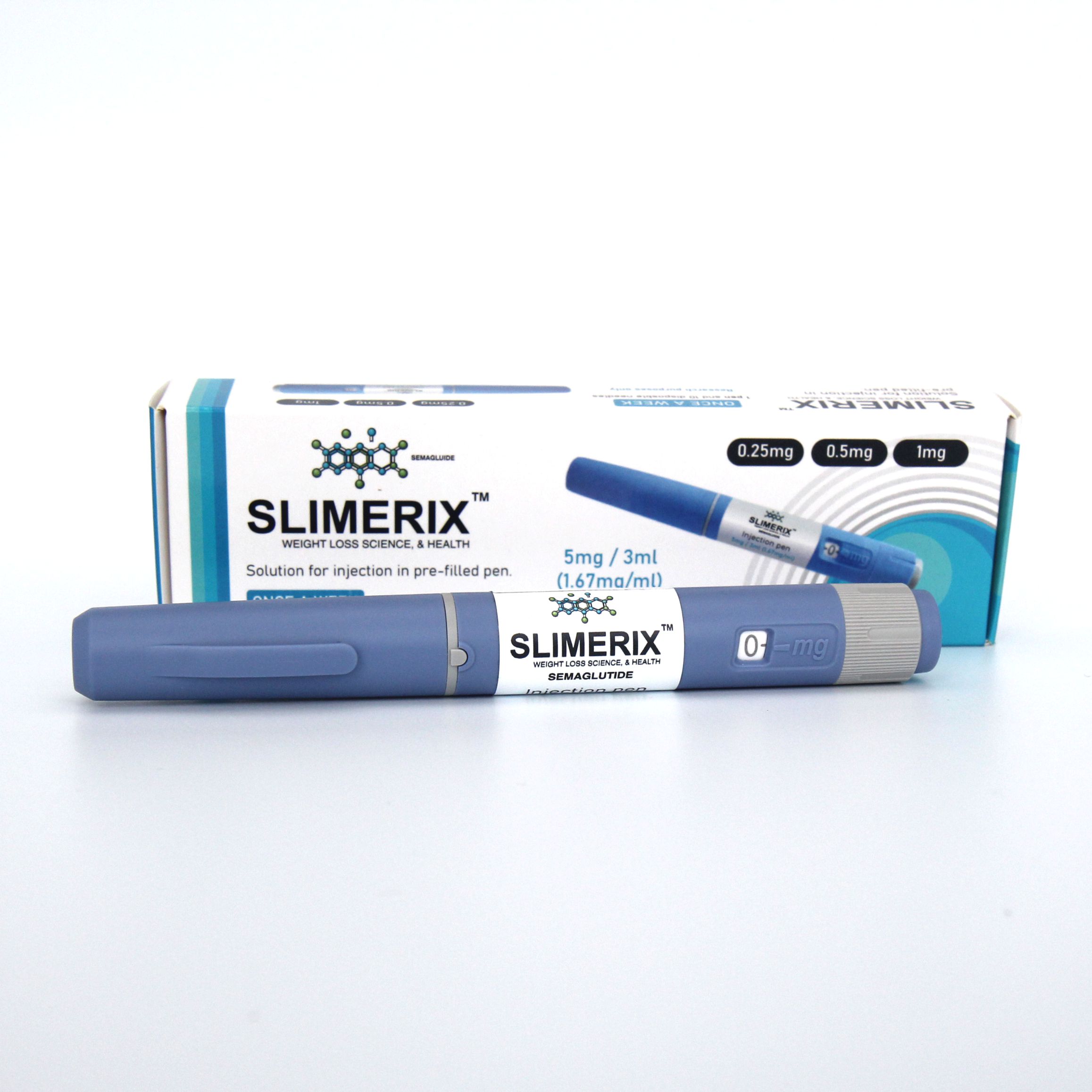
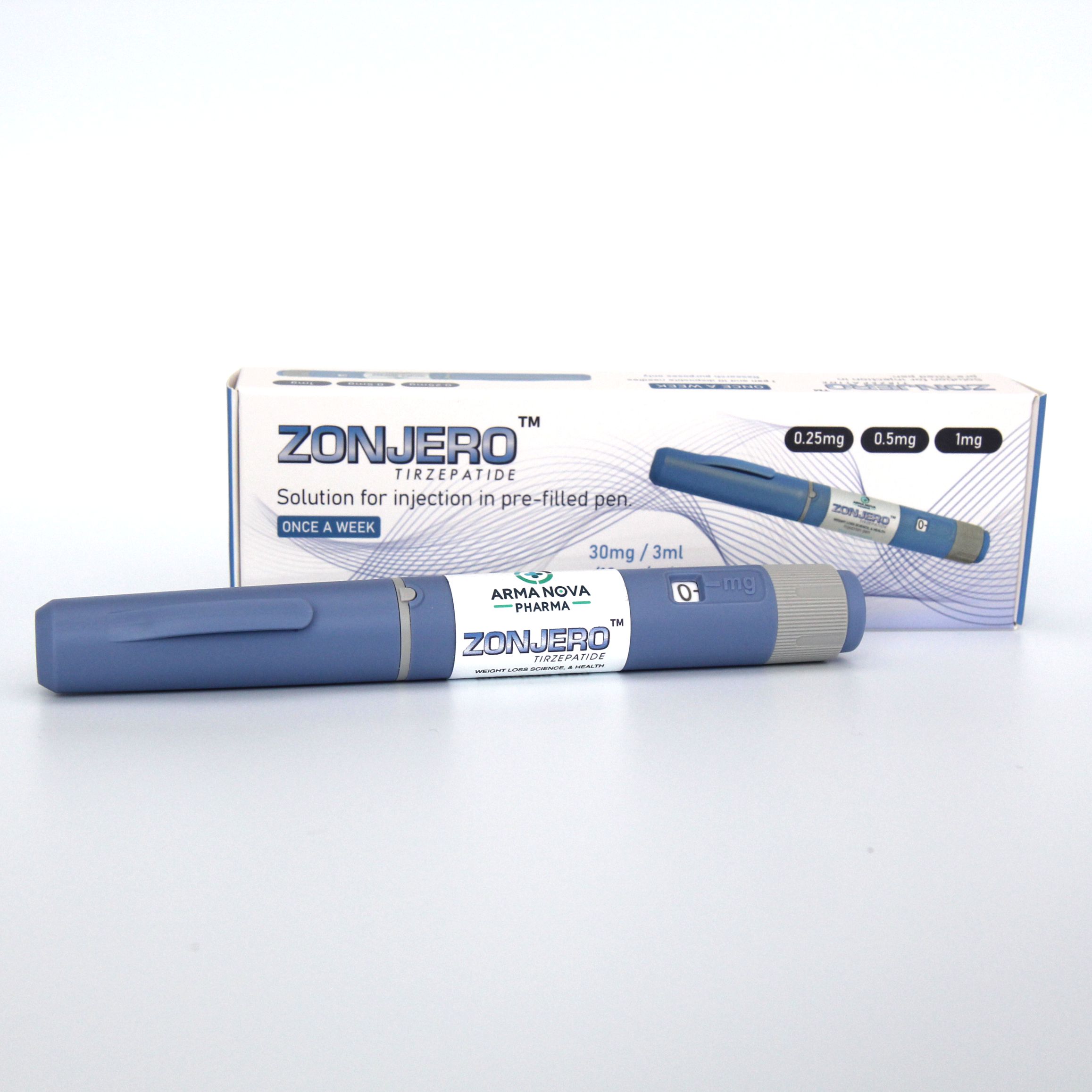
Molecular Architecture: GLP-1 Analogue vs Dual GIP/GLP-1 Agonist
Semaglutide is a GLP-1 receptor agonist with 94% sequence homology to endogenous human GLP-1. The critical structural modification is the attachment of an 18-carbon fatty diacid chain via a gamma-glutamic acid spacer at position 26. This lipidation enables reversible albumin binding, dramatically extending plasma half-life from minutes (native GLP-1) to 165-184 hours. Two additional amino acid substitutions—Aib at position 8 and Arg at position 34—confer resistance to dipeptidyl peptidase-4 (DPP-4) degradation, the primary enzymatic pathway that rapidly cleaves native GLP-1 at the Ala2-Glu3 bond.
The extended half-life justifies once-weekly subcutaneous administration and produces sustained GLP-1 receptor occupancy throughout the dosing interval. When semaglutide binds the GLP-1 receptor—a class B G-protein coupled receptor (GPCR)—it stabilizes the receptor’s active conformation, promoting Gs protein coupling and subsequent adenylyl cyclase activation. Increased intracellular cAMP triggers glucose-dependent insulin secretion from pancreatic beta cells, suppresses glucagon release from alpha cells, delays gastric emptying via vagal efferent signaling, and enhances satiety through activation of POMC/CART neurons in the arcuate nucleus.
Tirzepatide employs a fundamentally different architecture: it is a dual agonist at both GIP (glucose-dependent insulinotropic polypeptide) and GLP-1 receptors. The molecule is based on the native GIP sequence (residues 1-39) with amino acid substitutions at positions 2, 13, 20, and modifications including C20 fatty diacid attachment. Tirzepatide exhibits greater receptor binding affinity for GIP receptors but retains full agonist activity at GLP-1 receptors. The GIP component activates a distinct GPCR pathway that potentiates insulin secretion but—critically—appears to reduce lipogenesis in adipocytes and improve insulin sensitivity through mechanisms not fully elucidated. Preclinical data suggest GIP receptor activation enhances energy expenditure and shifts substrate utilisation, effects not observed with selective GLP-1 agonism.
This dual-agonist approach produces additive or potentially synergistic effects on weight reduction and glycemic control compared to GLP-1 monotherapy. The pharmacokinetic profile is similarly optimized for weekly administration, with a half-life of approximately 5 days (120 hours).
Clinical Trial Evidence: What the Published Data Shows
STEP Programme: Semaglutide Efficacy Data
The STEP 1 trial (Wilding JPH et al., 2021, PMID: 33567185) enrolled 1,961 adults with a body mass index ≥30 kg/m² (or ≥27 kg/m² with at least one weight-related comorbidity) without diabetes. Participants received either once-weekly subcutaneous semaglutide 2.4mg or placebo, alongside lifestyle intervention (500 kcal/day deficit, 150 minutes/week physical activity). At week 68, semaglutide-treated participants achieved a mean body weight reduction of 14.9% from baseline, compared to 2.4% with placebo (estimated treatment difference: -12.4 percentage points, 95% CI -13.4 to -11.5). Notably, 86.4% of semaglutide participants achieved ≥5% weight loss versus 31.5% with placebo.
STEP 4 (Rubino DM et al., 2022, PMID: 35076659) examined weight loss maintenance by randomizing participants who had already achieved weight reduction with semaglutide 2.4mg for 20 weeks to either continued treatment or switch to placebo. Those continuing semaglutide lost an additional 7.9% body weight from weeks 20 to 68, while the placebo group regained 6.9%—a 14.8 percentage point difference. This demonstrates sustained efficacy with continued therapy and rapid weight regain upon cessation, reflecting the peptide’s pharmacological mechanism rather than lasting metabolic reprogramming.
The SELECT cardiovascular outcomes trial (Ryan DH et al., 2021, PMID: 33754578) enrolled 17,604 participants with established cardiovascular disease and overweight or obesity (BMI ≥27 kg/m²) but without diabetes. Semaglutide 2.4mg reduced the primary composite endpoint (cardiovascular death, nonfatal myocardial infarction, or nonfatal stroke) by 20% versus placebo (HR 0.80, 95% CI 0.72-0.90, p<0.001), with consistent effects across subgroups. Mean weight reduction was 9.4% with semaglutide versus 0.9% with placebo at 104 weeks.
SURMOUNT Programme: Tirzepatide Efficacy Data
SURMOUNT-1 investigated tirzepatide at three doses (5mg, 10mg, 15mg) versus placebo in 2,539 adults with BMI ≥30 kg/m² or ≥27 kg/m² with weight-related comorbidity, excluding diabetes. At 72 weeks, mean weight reductions were 15.0% (5mg), 19.5% (10mg), and 22.5% (15mg) versus 3.1% with placebo. The 15mg dose produced weight loss significantly exceeding semaglutide’s 14.9% in STEP 1, though cross-trial comparisons have methodological limitations.
The proportion achieving ≥20% weight loss was 55% with tirzepatide 15mg, 38% with 10mg, and 23% with 5mg, compared to 3% with placebo. Adverse event profiles were similar to semaglutide—predominantly gastrointestinal effects including nausea (31-39% across doses), diarrhea, and constipation—with most events mild to moderate and occurring during dose escalation.
Head-to-Head Interpretation Limitations
No published randomized controlled trial directly compares semaglutide 2.4mg to tirzepatide at therapeutic doses in the same population. Cross-trial comparisons are confounded by differences in baseline characteristics, lifestyle intervention intensity, trial duration, and outcome definitions. STEP 1 enrolled participants with mean baseline weight 105.3kg and mean BMI 37.9 kg/m², while SURMOUNT-1 participants had mean baseline weight 104.8kg and BMI 38.0 kg/m²—similar but not identical cohorts.
The magnitude of difference (14.9% vs 22.5% at maximum doses) suggests meaningful superiority for tirzepatide, consistent with preclinical hypotheses about additive GIP pathway effects. However, individual response variability is substantial in both trials, with standard deviations exceeding 10 percentage points. Responder analyses show significant overlap: approximately 50% of semaglutide participants achieved ≥15% weight loss, overlapping with lower tirzepatide doses.
UK Sourcing: HPLC Verification, Purity Standards, and Certificate of Analysis Interpretation
Research-grade peptides in the UK are regulated differently from licensed medicines. Both semaglutide and tirzepatide are prescription-only medicines (POM) when sold for human therapeutic use under UK law, falling under MHRA jurisdiction. However, when supplied explicitly for research purposes—not for human consumption, diagnosis, or treatment—they may be distributed as chemical reagents. Researchers must ensure compliance with institutional ethics approvals and the Human Medicines Regulations 2012.
UK-based suppliers like Arma Peptides provide Semaglutide 5mg UK and Tirzepatide UK at ≥99% purity verified by high-performance liquid chromatography (HPLC). HPLC analysis separates peptide mixtures based on hydrophobic interactions with a stationary phase, detecting compounds via UV absorbance. A Certificate of Analysis (COA) should specify:
- Purity by HPLC: Percentage of main peak area relative to total peak area, typically ≥99% for pharmaceutical-grade material
- Peptide content: Actual peptide mass corrected for counter-ions, water content, and lyophilization excipients (often 70-85% of total powder mass due to acetate/TFA salts)
- Mass spectrometry confirmation: Observed molecular weight matching expected mass within ±1 Da for electrospray ionization (ESI-MS)
- Endotoxin level: Bacterial endotoxin units (EU) per mg, critical for cell culture or in vivo work (typically <1 EU/mg)
- Appearance: White to off-white lyophilized powder, sterile-filtered prior to lyophilization
Third-party COAs from ISO 17025-accredited laboratories provide independent verification. When reviewing a COA for Semaglutide 5mg UK, look for a single dominant peak at the expected retention time (typically 15-20 minutes for reverse-phase C18 columns) with minimal impurity peaks. Aggregation or degradation products appear as additional peaks; content below 99% may indicate oxidation (particularly of Met at position 14) or deamidation.
Storage conditions significantly affect stability. Lyophilized semaglutide and tirzepatide should be stored at -20°C or below in sealed vials with desiccant. Once reconstituted in bacteriostatic water or sterile saline, solutions remain stable for 28 days at 2-8°C (standard refrigeration), though some degradation occurs. Avoid freeze-thaw cycles with reconstituted solutions.
Research Protocol Reference Data from Published Literature
The following information describes dosing protocols used in published clinical trials and is provided solely for research reference purposes. This is not medical advice; researchers must work within appropriate institutional oversight including ethics committee approval.
Semaglutide Dosing in STEP Trials
In the STEP programme, semaglutide was initiated at 0.25mg subcutaneously once weekly for 4 weeks, then escalated every 4 weeks: 0.5mg (weeks 5-8), 1.0mg (weeks 9-12), 1.7mg (weeks 13-16), and maintenance dose of 2.4mg from week 17 onwards. This gradual escalation minimizes gastrointestinal adverse effects by allowing adaptive receptor desensitization.
Subcutaneous injection sites included abdomen, thigh, or upper arm, with site rotation recommended. Semaglutide is supplied as lyophilized powder requiring reconstitution; typical reconstitution for a 5mg vial uses 2.5mL bacteriostatic water, yielding 2mg/mL concentration. A 2.4mg dose thus requires 1.2mL injection volume.
Tirzepatide Dosing in SURMOUNT Trials
SURMOUNT-1 employed a similar escalation strategy: 2.5mg weekly for 4 weeks, then 5mg (weeks 5-8), 10mg (weeks 9-12), and maintenance dose of 15mg from week 13. Lower maintenance doses (5mg or 10mg) omitted later escalation steps. The more rapid escalation compared to semaglutide reflects tirzepatide’s slightly different tolerability profile, though head-to-head tolerability comparisons are limited.
Injection technique and site rotation are identical to semaglutide protocols. When sourcing Tirzepatide UK as a 30mg vial, reconstitution with 6mL bacteriostatic water yields 5mg/mL; a 15mg dose requires 3mL injection volume, necessitating division into multiple injections or use of higher-concentration reconstitution.
Reconstitution and Handling Protocols
Both peptides should be reconstituted using aseptic technique. Allow lyophilized vials to reach room temperature before adding diluent to minimize thermal stress. Inject bacteriostatic water slowly down the vial wall rather than directly onto the powder to prevent foaming and peptide aggregation. Gently swirl—do not shake vigorously—until dissolved. The solution should be clear to slightly opalescent; discard if particulate matter or discoloration is observed.
Bacteriostatic water (0.9% benzyl alcohol) provides antimicrobial preservation, extending multi-dose vial stability. Sterile water for injection lacks preservative and is intended for single-use applications only. For research applications requiring precise dosing, insulin syringes with 0.5mL or 1mL capacity and 0.01mL graduations provide adequate precision.
Comparative Receptor Pharmacology and Downstream Signaling
The fundamental difference between semaglutide and tirzepatide lies in receptor selectivity. Semaglutide exhibits >1000-fold selectivity for GLP-1 receptors over GIP receptors, producing potent GLP-1R agonism with negligible off-target activity. The GLP-1 receptor is expressed predominantly in:
- Pancreatic beta cells (insulin secretion)
- Pancreatic alpha cells (glucagon suppression)
- Gastric smooth muscle and vagal afferents (gastric emptying delay)
- Hypothalamic arcuate nucleus (satiety signaling via POMC/CART neurons)
- Nucleus tractus solitarius (meal termination signaling)
- Cardiovascular tissue (proposed cardioprotective effects)
GLP-1 receptor activation triggers Gs-mediated cAMP accumulation, activating protein kinase A (PKA) and exchange protein directly activated by cAMP (EPAC2). In beta cells, this pathway enhances glucose-stimulated insulin secretion (GSIS) by increasing calcium influx through voltage-gated calcium channels and promoting insulin granule exocytosis. Importantly, this effect is glucose-dependent—insulin secretion occurs only when plasma glucose exceeds approximately 4.5 mmol/L, minimizing hypoglycemia risk.
Tirzepatide’s GIP receptor agonism adds a complementary pathway. GIP receptors are expressed in:
- Pancreatic beta cells (synergistic with GLP-1 for insulin secretion)
- Adipocytes (lipolysis modulation and insulin sensitivity)
- Bone (proposed osteoblast effects)
- Central nervous system (energy expenditure regulation)
The GIP receptor also couples to Gs proteins and increases cAMP, but differential tissue distribution and downstream signaling kinetics produce distinct effects. In beta cells, GIP and GLP-1 receptor co-activation produces synergistic insulin secretion exceeding either agonist alone—the mechanistic basis for tirzepatide’s glycemic superiority. In adipocytes, GIP receptor signaling appears to shift from lipogenic (in obesity) to lipolytic when combined with GLP-1 agonism, though the precise mechanisms remain under investigation.
Preclinical studies in obese rodents demonstrate that dual GIP/GLP-1 agonism produces greater weight loss than GLP-1 agonism alone, even at doses producing equivalent GLP-1 receptor occupancy. This suggests the GIP pathway contributes additively to energy balance through mechanisms beyond appetite suppression—potentially including increased energy expenditure, enhanced lipid oxidation, or improved insulin sensitivity in metabolic tissues.
Adverse Event Profiles and Tolerability Considerations
Both semaglutide and tirzepatide share similar adverse event profiles dominated by gastrointestinal effects. In STEP 1, nausea occurred in 44.2% of semaglutide participants versus 17.1% with placebo; diarrhea in 31.5% versus 16.0%; vomiting in 24.8% versus 6.2%. Most gastrointestinal events were mild to moderate, occurred during dose escalation, and resolved over several weeks as tachyphylaxis developed.
Discontinuation due to adverse events occurred in 7.0% of semaglutide participants versus 3.1% with placebo in STEP 1. SURMOUNT-1 reported similar discontinuation rates (4.3-6.2% across tirzepatide doses versus 2.6% with placebo), suggesting comparable overall tolerability despite tirzepatide’s greater efficacy.
Hypoglycemia is rare in participants without diabetes, occurring in <2% of participants in both STEP and SURMOUNT trials. The glucose-dependent mechanism of GLP-1 and GIP receptor signaling prevents insulin secretion when glucose levels normalize, contrasting with sulfonylureas or exogenous insulin.
Gallbladder-related adverse events (cholecystitis, cholelithiasis) occurred more frequently with both peptides compared to placebo, likely related to rapid weight loss rather than direct drug effects. This mirrors observations with bariatric surgery and other rapid weight loss interventions.
Neither peptide shows clinically significant effects on heart rate, blood pressure, or cardiac conduction intervals. The SELECT trial demonstrated cardiovascular safety and potential benefit with semaglutide; tirzepatide cardiovascular outcomes data from the SURPASS-CVOT trial are expected in 2025-2026.
UK Regulatory Context and Legal Framework for Research Use
Under the Human Medicines Regulations 2012, semaglutide and tirzepatide are prescription-only medicines when manufactured, sold, or supplied for human use. Licensed formulations include Ozempic (semaglutide 0.25/0.5/1mg pens for diabetes), Wegovy (semaglutide 0.25/0.5/1/1.7/2.4mg pens for obesity management), and Mounjaro (tirzepatide 2.5-15mg pens for diabetes). These products require valid UK prescription from GMC-registered prescribers.
Research-grade peptides supplied explicitly for laboratory research, in vitro studies, or investigational protocols not involving human administration fall outside POM restrictions. However, researchers must comply with:
- Health and Safety at Work Act 1974: Risk assessments for handling pharmaceutical compounds
- Control of Substances Hazardous to Health Regulations 2002 (COSHH): Appropriate safety data sheets and handling procedures
- Institutional ethics approval: Any research involving human participants requires Health Research Authority (HRA) approval and Research Ethics Committee (REC) review
- Home Office licenses: Animal research requires appropriate project and personal licenses under the Animals (Scientific Procedures) Act 1986
Suppliers distributing research peptides must clearly label products “For research use only—not for human consumption” and cannot make therapeutic claims. Researchers are responsible for ensuring intended use complies with applicable regulations.
UK delivery of research peptides typically uses courier services with temperature-controlled packaging. Semaglutide and tirzepatide remain stable for 48-72 hours at ambient temperature during transit, though suppliers should include cold packs or dry ice for summer shipments to minimize thermal exposure.
Cost Considerations and Economic Factors in the UK Market
Licensed formulations of semaglutide and tirzepatide carry significant costs when obtained through NHS prescription or private clinics. Wegovy (semaglutide 2.4mg) costs approximately £200-250 per month through private prescriptions; Mounjaro (tirzepatide) pricing is similar at £150-200 per month depending on dose. NHS access is restricted to specialist weight management services meeting specific criteria.
Research-grade formulations from suppliers like Arma Peptides offer significantly lower costs, typically £150-300 for multi-month supplies depending on dosing protocols. A 5mg vial of Semaglutide 5mg UK provides approximately 2 doses at the 2.4mg maintenance level, or sufficient material for complete dose escalation from 0.25mg to 1.0mg over 12 weeks.
When evaluating suppliers, lowest price should not be the primary selection criterion—purity verification and COA transparency matter more. Contaminated or degraded peptides may show reduced efficacy or unexpected adverse effects. The cost difference between 95% and 99% purity material is modest (typically 10-20%) but the quality difference is substantial for research applications demanding reproducibility.
Future Directions and Next-Generation Incretin Therapeutics
The success of semaglutide and tirzepatide has catalyzed development of next-generation incretin-based therapies. Several approaches are under investigation:
Triple agonists: Compounds activating GLP-1, GIP, and glucagon receptors show promise in phase 2 trials, with retatrutide demonstrating 24.2% weight loss at 48 weeks. The glucagon receptor component may enhance energy expenditure and hepatic fat oxidation, though concerns about cardiovascular effects require long-term safety data.
Oral GLP-1 agonists: Oral semaglutide (Rybelsus) is licensed for diabetes but uses a daily dosing regimen with lower bioavailability than subcutaneous administration. Formulation strategies using absorption enhancers (SNAC) enable sufficient GI absorption, though efficacy for weight loss appears inferior to injectable formulations.
Extended-duration formulations: Monthly or quarterly administration would improve adherence but requires novel drug delivery technologies. Microsphere formulations and implantable depot systems are in preclinical development.
Combination therapies: GLP-1 agonists combined with amylin analogues (cagrilintide) show additive weight loss effects in phase 2 data, suggesting complementary mechanisms of appetite regulation.
The clinical pipeline suggests continued refinement of incretin pharmacology, though whether triple agonists or other novel mechanisms will meaningfully exceed tirzepatide’s 22.5% weight loss remains uncertain. The plateau in efficacy may reflect physiological limits of appetite suppression without addressing energy expenditure or adipocyte metabolism directly.
Frequently Asked Questions
Semaglutide vs Tirzepatide: what is the primary biochemical difference that explains their efficacy difference?
Semaglutide is a selective GLP-1 receptor agonist with >1000-fold selectivity for GLP-1R over other receptors. It activates a single incretin pathway controlling insulin secretion, glucagon suppression, gastric emptying, and satiety. Tirzepatide is a dual agonist at both GIP and GLP-1 receptors. The GIP receptor component provides synergistic beta cell stimulation and appears to modulate adipocyte metabolism and energy expenditure through mechanisms not fully characterized. The dual-agonist approach explains tirzepatide’s superior weight loss (22.5% vs 14.9% at maximum doses in respective trials), though cross-trial comparisons have methodological limitations. Individual response variability means some participants respond better to semaglutide than to lower tirzepatide doses.
Can I legally purchase semaglutide or tirzepatide for personal research use in the UK without a prescription?
Under UK law (Human Medicines Regulations 2012), semaglutide and tirzepatide are prescription-only medicines when sold for human therapeutic use. Licensed formulations (Wegovy, Ozempic, Mounjaro) require valid prescriptions from GMC-registered prescribers. Research-grade formulations supplied explicitly for laboratory research or investigational protocols—not for human consumption, diagnosis, or treatment—may be distributed as chemical reagents outside POM restrictions. However, researchers must ensure use complies with institutional ethics approvals, health and safety regulations (COSHH), and the intended application. Personal use outside supervised research or clinical contexts carries legal and safety risks. Always work with appropriate institutional oversight and medical supervision for any human research applications.
How do I interpret an HPLC purity certificate to verify peptide quality?
A legitimate Certificate of Analysis for semaglutide or tirzepatide should include: (1) HPLC chromatogram showing a single dominant peak at the expected retention time (typically 15-20 minutes for reverse-phase C18) with peak area ≥99% of total integrated area; (2) mass spectrometry confirmation showing observed molecular weight within ±1 Da of expected mass (semaglutide: 4113.58 Da, tirzepatide: 4813.51 Da); (3) peptide content percentage accounting for counter-ions and water (typically 70-85% of total powder mass); (4) endotoxin level <1 EU/mg for biological applications; (5) appearance description (white to off-white lyophilized powder). Additional impurity peaks suggest degradation products, aggregation, or synthesis impurities. Request third-party COAs from ISO 17025-accredited labs for independent verification. Suppliers refusing to provide batch-specific COAs should be avoided.
What reconstitution protocol minimizes peptide degradation and preserves potency?
Allow lyophilized vials to reach room temperature (20-25°C) before reconstitution to prevent condensation. Use bacteriostatic water (0.9% benzyl alcohol) for multi-dose vials; it provides antimicrobial preservation for up to 28 days at 2-8°C. Inject diluent slowly down the vial wall rather than directly onto powder to prevent foaming and mechanical stress. Gently swirl until dissolved—vigorous shaking causes aggregation and denaturation. The solution should be clear to slightly opalescent; discard if particulate matter or discoloration appears. For Semaglutide 5mg UK, add 2.5mL bacteriostatic water yielding 2mg/mL concentration. Store reconstituted solution at 2-8°C, never freeze, and avoid freeze-thaw cycles which irreversibly denature peptides. Use within 28 days of reconstitution. Stability beyond this period is not assured despite maintained appearance.
Do the cardiovascular benefits observed with semaglutide apply to tirzepatide as well?
The SELECT trial (Ryan DH et al., PMID: 33754578) demonstrated that semaglutide 2.4mg reduced major adverse cardiovascular events (MACE) by 20% in participants with established cardiovascular disease and overweight/obesity without diabetes (HR 0.80, 95% CI 0.72-0.90). This finding extends previous cardiovascular benefits observed with lower-dose semaglutide in the SUSTAIN-6 trial in people with type 2 diabetes. Tirzepatide cardiovascular outcomes data will come from the SURPASS-CVOT trial, expected to report in 2025-2026. Mechanistically, both peptides improve multiple cardiovascular risk factors including weight, blood pressure, lipid profiles, and inflammatory markers. Whether tirzepatide provides similar, superior, or inferior cardiovascular protection compared to semaglutide remains unknown pending direct trial data. Preclinical studies suggest GIP receptor signaling may have cardioprotective effects, but extrapolation from animal models to human outcomes is uncertain.
Practical Considerations for UK Researchers
When designing investigational protocols comparing semaglutide and tirzepatide, several practical factors merit consideration beyond published trial data:
Injection volume and technique: Tirzepatide maintenance doses (10-15mg) require larger injection volumes than semaglutide 2.4mg when reconstituted at typical concentrations. This may affect subcutaneous absorption kinetics and injection site reactions. Using higher-concentration reconstitution (e.g., 10mg/mL for tirzepatide) reduces volume but requires smaller vials or may exceed solubility limits.
Cold chain management: Both peptides require refrigerated storage post-reconstitution. Multi-site or remote research protocols need appropriate cold storage infrastructure. Participants in weight loss trials often travel or lack reliable refrigeration, affecting adherence and peptide stability.
Dose titration duration: Semaglutide’s 16-week escalation to 2.4mg versus tirzepatide’s 12-week escalation to 15mg affects trial design. Longer escalation may improve tolerability but delays achievement of maintenance dosing and extends study duration.
Outcome measurement timing: Weight loss plateaus between weeks 60-68 with semaglutide in STEP trials; similar kinetics appear in SURMOUNT data. Protocols measuring outcomes before week 52 may underestimate maximal effects. Conversely, trials extending beyond 72 weeks face increased dropout and confounding from differential adherence.
Responder heterogeneity: Standard deviations for weight loss in both STEP and SURMOUNT trials exceed 10 percentage points, indicating substantial individual variability. Genetics (MC4R variants), baseline insulin resistance, and gut microbiome composition may predict response, though validated biomarkers for patient selection are lacking. Research protocols should account for non-responder populations (approximately 10-15% achieve <5% weight loss despite adherence).
Conclusion: Semaglutide vs Tirzepatide — Evidence-Based Selection Guide
Published trial data demonstrate superior mean weight loss with tirzepatide (22.5% at 15mg) compared to semaglutide (14.9% at 2.4mg) in similar populations, though direct head-to-head randomized data are lacking. The dual GIP/GLP-1 agonist mechanism provides additive effects on insulin secretion, lipid metabolism, and possibly energy expenditure compared to GLP-1 monotherapy. Adverse event profiles are comparable, dominated by gastrointestinal effects during dose escalation. Cardiovascular outcomes data strongly support semaglutide; tirzepatide data are pending.
For UK researchers designing investigational protocols, choice between peptides should consider research objectives: glycemic control mechanisms favor tirzepatide for studying incretin interactions; cardiovascular endpoints have more robust evidence for semaglutide; maximal weight loss protocols favor tirzepatide at higher doses. Individual response variability means population-level differences may not predict individual outcomes.
When sourcing research-grade materials, prioritize suppliers providing ≥99% HPLC-verified purity with published COAs per batch. Arma Peptides offers both Semaglutide 5mg UK and Tirzepatide UK meeting these quality standards with UK-based shipping and GBP pricing transparency.
Future research will clarify whether triple agonists or other novel mechanisms exceed tirzepatide’s efficacy, but current evidence establishes dual incretin agonism as the most effective pharmacological approach to weight management demonstrated in randomized controlled trials to date.
Research Use Disclaimer
This article is intended for educational and informational purposes only. Semaglutide and tirzepatide are investigational peptides supplied for research purposes only under UK law. They are not intended for human consumption, diagnosis, treatment, or prevention of any disease. All information regarding dosing protocols, reconstitution procedures, and administration techniques describes published research methodologies and should not be construed as medical advice or treatment recommendations.
Any research involving these compounds must be conducted under appropriate institutional oversight including ethics committee approval (Health Research Authority in the UK), appropriate safety protocols (COSHH assessments), and compliance with the Human Medicines Regulations 2012. Researchers should consult qualified medical professionals and institutional review boards before designing or implementing any protocol involving these peptides.
Arma Peptides supplies research-grade materials exclusively for laboratory investigation and in vitro studies. Products are not evaluated or approved by the MHRA for therapeutic use. Researchers assume full responsibility for compliance with applicable regulations and safe handling of chemical compounds.

Add comment