
No products in the cart.
Tirzepatide vs Semaglutide UK: Complete Research Comparison 2026
Tirzepatide vs Semaglutide UK: Complete Research Comparison for 2026
The STEP 1 clinical trial demonstrated that subcutaneous semaglutide produced a mean body weight reduction of 14.9% over 68 weeks in participants without diabetes—a magnitude of effect previously achievable only through bariatric surgery. Meanwhile, tirzepatide’s dual GIP/GLP-1 receptor agonism has shown even greater efficacy in head-to-head trials, raising critical questions for UK researchers evaluating these peptides for investigational use. Understanding the biochemical distinction between Tirzepatide UK and Semaglutide 5mg UK formulations requires examining not just clinical outcomes, but the molecular modifications that underpin their pharmacokinetic profiles.
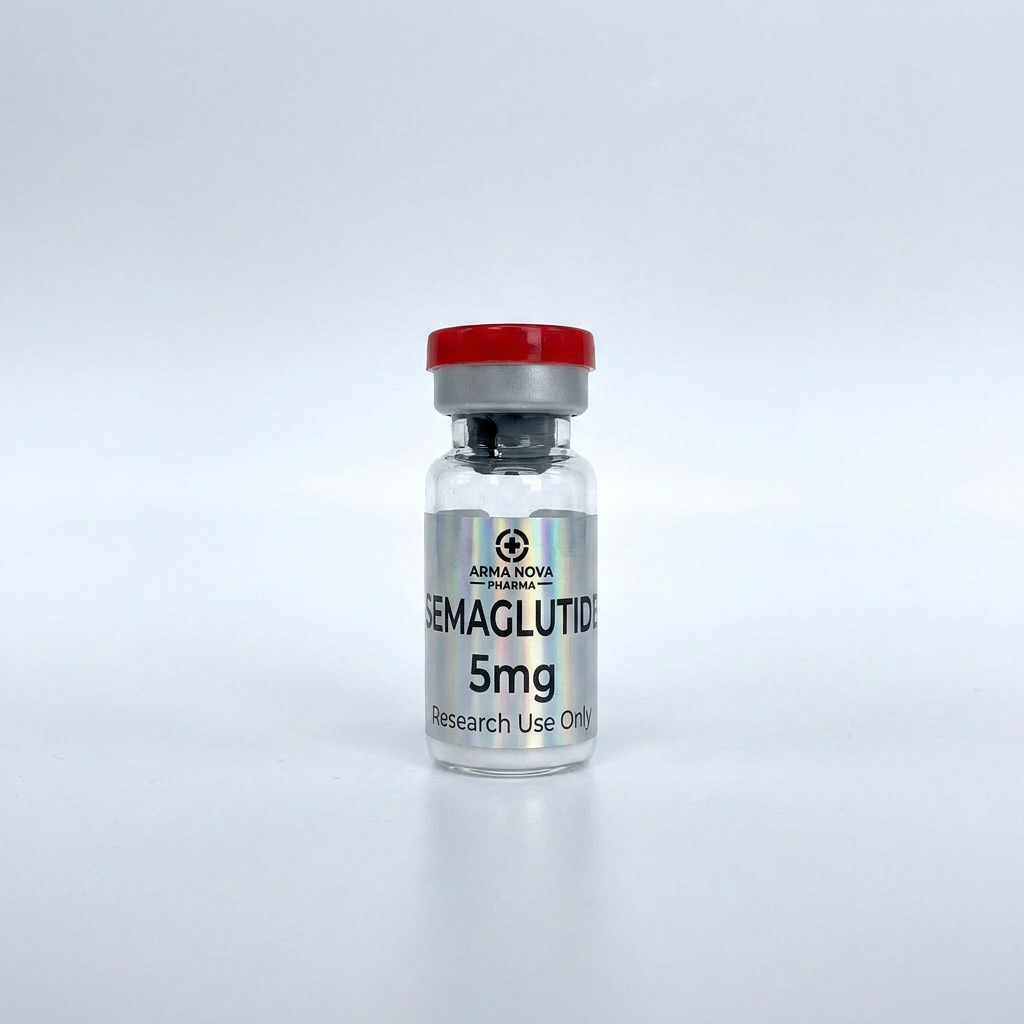
This article provides a comprehensive, evidence-based comparison of tirzepatide vs semaglutide UK sourcing, mechanism, trial data, and research protocols—specifically tailored for UK researchers, biohackers, and athletes seeking HPLC-verified peptides with published Certificates of Analysis. All references cite published peer-reviewed literature, and all product discussions are framed within UK law governing research peptides.
Biochemical Mechanisms: How Semaglutide and Tirzepatide Differ at the Molecular Level
Semaglutide is a synthetic GLP-1 receptor agonist sharing 94% sequence homology with endogenous human GLP-1 (glucagon-like peptide-1). The critical modifications include an amino acid substitution at position 8 (alanine to aminoisobutyric acid, or AIB) to resist dipeptidyl peptidase-4 (DPP-4) degradation, and—most importantly—conjugation of an 18-carbon fatty diacid chain via a gamma-glutamic acid linker at lysine-26. This lipid moiety enables reversible albumin binding, dramatically extending the elimination half-life to 165-184 hours in humans. This pharmacokinetic modification is what justifies once-weekly subcutaneous administration, a dosing schedule validated across the STEP trial programme.
Tirzepatide employs a fundamentally different approach: it is a dual glucose-dependent insulinotropic polypeptide (GIP) and GLP-1 receptor agonist. The peptide backbone is based on native GIP sequence with modifications including a C20 fatty diacid attached to lysine-20, conferring albumin binding and a half-life approximating 5 days. The dual agonism is not simply additive—GIP receptor activation has been shown to enhance GLP-1-mediated insulin secretion, reduce glucagon more effectively, and potentially exert distinct effects on adipocyte metabolism and energy expenditure. The molecular weight and fatty acid conjugation strategy differ between semaglutide and tirzepatide, which has implications for reconstitution protocols and storage stability—factors UK researchers must consider when comparing Semaglutide 5mg UK to tirzepatide formulations.
Both peptides activate intracellular signalling cascades through G-protein coupled receptors (GPCRs), primarily coupling through Gαs proteins to increase cyclic AMP (cAMP) and activate protein kinase A (PKA). In pancreatic beta cells, this potentiates glucose-stimulated insulin secretion. In the central nervous system—particularly hypothalamic nuclei regulating appetite—GLP-1 receptor activation reduces food intake and enhances satiety signals. The addition of GIP agonism in tirzepatide appears to modulate these pathways differently, though the precise mechanisms explaining tirzepatide’s superior weight loss efficacy remain an active area of investigation.
What the Published Research Shows: STEP Trials and Direct Comparisons
The semaglutide evidence base in obesity management is anchored by the STEP (Semaglutide Treatment Effect in People with obesity) clinical trial programme. Wilding et al. (2021) published the pivotal STEP 1 trial in the New England Journal of Medicine, demonstrating that once-weekly subcutaneous semaglutide 2.4mg produced a mean weight reduction of 14.9% from baseline over 68 weeks in adults with overweight or obesity (BMI ≥27 kg/m²) without diabetes. The trial enrolled 1,961 participants randomised 2:1 to semaglutide versus placebo, with both groups receiving lifestyle intervention. Notably, 86.4% of semaglutide participants achieved ≥5% weight loss, and 69.1% achieved ≥10% weight loss—thresholds associated with meaningful cardiometabolic benefits.
The durability of semaglutide-induced weight loss was examined by Rubino et al. (2022) in the STEP 4 trial, published in JAMA. Participants who achieved weight loss during a 20-week semaglutide run-in period were randomised to continue semaglutide or switch to placebo for 48 weeks. Those continuing semaglutide maintained and extended weight loss (mean change -7.9% from randomisation), whereas those switched to placebo regained significant weight (+6.9%). This demonstrates that sustained GLP-1 receptor agonism is required to maintain metabolic effects—discontinuation results in rebound.
Cardiovascular outcomes were addressed in the SELECT trial by Ryan et al. (2021), where semaglutide demonstrated a 20% reduction in major adverse cardiovascular events (MACE) in people with established cardiovascular disease and overweight/obesity, independent of diabetes status. This finding elevated semaglutide from a weight-management tool to a cardioprotective intervention, although the mechanisms—whether mediated purely through weight loss or direct vascular effects—remain debated.
Direct head-to-head comparison of tirzepatide vs semaglutide was conducted in the SURPASS-2 trial, which showed tirzepatide 15mg weekly produced significantly greater HbA1c reduction (-2.46% vs -1.86%) and weight loss (-12.4 kg vs -6.2 kg) compared to semaglutide 1mg weekly in type 2 diabetes. While this trial used the lower semaglutide dose approved for diabetes (not the 2.4mg obesity dose), it provides valuable mechanistic insight into the potential advantages of dual GIP/GLP-1 agonism. The magnitude of weight loss with higher-dose tirzepatide in obesity trials has approached 20-22% in some cohorts, exceeding semaglutide’s effects.
For UK researchers comparing Tirzepatide UK and semaglutide formulations, these trial data provide evidence-based benchmarks. However, it’s critical to note that research-grade peptides used in laboratory settings differ from pharmaceutical formulations used in clinical trials—particularly regarding excipients, buffer systems, and quality control standards.
Tirzepatide vs Semaglutide UK: Research Dosing Protocols from Published Literature
The following dosing information is derived exclusively from published clinical trial protocols and is presented for research reference only. These are NOT medical recommendations—UK law classifies both semaglutide and tirzepatide as research peptides when sourced outside prescription channels, and they are intended solely for in vitro or animal research under appropriate ethical approval.
Semaglutide Research Dosing (STEP Trial Protocol):
- Week 1-4: 0.25mg subcutaneously once weekly
- Week 5-8: 0.5mg once weekly
- Week 9-12: 1.0mg once weekly
- Week 13-16: 1.7mg once weekly
- Week 17 onwards: 2.4mg once weekly (maintenance)
This titration schedule, spanning 16 weeks to reach maintenance dose, was designed to minimize gastrointestinal adverse events (nausea, vomiting, diarrhea) that occur when GLP-1 receptor agonists are initiated too rapidly. The 165-184 hour half-life means steady-state concentrations are achieved after approximately 4-5 weeks at each dose level.
Tirzepatide Research Dosing (SURPASS/SURMOUNT Trial Protocols):
- Week 1-4: 2.5mg subcutaneously once weekly
- Week 5-8: 5mg once weekly
- Week 9-12: 7.5mg once weekly (or continue to higher doses)
- Week 13-16: 10mg once weekly
- Week 17-20: 12.5mg once weekly
- Week 21 onwards: 15mg once weekly (maximum studied dose)
Some protocols used 10mg or 12.5mg as maintenance doses depending on tolerability. The longer titration schedule reflects tirzepatide’s dual mechanism and potentially greater gastrointestinal side effect burden at higher doses.
When UK researchers evaluate tirzepatide vs semaglutide UK products, understanding these published escalation schedules is essential for experimental design. Reconstitution calculations must account for vial concentrations—common research formulations include 5mg semaglutide vials and 30mg tirzepatide vials, requiring precise dilution with bacteriostatic water to achieve target concentrations.
UK Sourcing Considerations: HPLC Verification, COAs, and Quality Assessment
The UK market for research peptides operates within a regulatory grey zone: these compounds are legal to purchase and possess for research purposes, but their sale for human consumption is prohibited. This creates quality control challenges, as research suppliers are not subject to the same Good Manufacturing Practice (GMP) standards required for pharmaceutical products. For UK researchers comparing tirzepatide vs semaglutide UK sources, several quality markers are essential.
HPLC Purity Verification: High-Performance Liquid Chromatography (HPLC) is the gold standard for assessing peptide purity. Reputable suppliers should provide ≥99% purity as determined by HPLC, with chromatograms showing a single dominant peak corresponding to the target peptide. Minor impurities may include deletion sequences (peptides missing amino acids), oxidized variants, or residual synthesis reagents. Purity below 98% suggests inadequate purification and increases the risk of immunogenic reactions or unpredictable activity.
Mass Spectrometry Confirmation: While HPLC confirms purity, mass spectrometry (MS) verifies molecular identity. The observed mass should match the theoretical mass of semaglutide (4113.58 Da) or tirzepatide (4813.5 Da) within acceptable error margins (typically ±0.5 Da for modern MALDI-TOF or ESI-MS instruments). Mass spec data that deviates significantly suggests the peptide is not what’s labeled.
Certificate of Analysis (COA) Interpretation: Every batch should have a published COA containing:
- Batch/lot number matching the vial label
- Peptide sequence (amino acid composition)
- Molecular weight (theoretical vs observed)
- HPLC purity percentage with chromatogram
- Mass spectrometry data
- Endotoxin levels (particularly important for injectable research use)
- Storage conditions and expiry date
UK researchers should be wary of suppliers who provide generic COAs without batch-specific data, or who refuse to provide documentation upon request. At Arma Peptides, both Semaglutide 5mg UK formulations and tirzepatide batches undergo third-party HPLC and MS verification, with batch-specific COAs published for transparency.
Storage and Handling: Lyophilized (freeze-dried) peptides should be stored at -20°C to -80°C prior to reconstitution. Once reconstituted with bacteriostatic water, stability data for GLP-1 analogues suggest refrigerated storage (2-8°C) maintains potency for 28-30 days, though this varies by formulation. Repeated freeze-thaw cycles degrade peptide bonds and should be avoided. UK researchers should calculate required doses before reconstitution to minimize waste.
UK Delivery and Legal Context: Under UK law, semaglutide and tirzepatide are prescription-only medicines (POMs) when intended for human use, regulated by the Medicines and Healthcare products Regulatory Agency (MHRA). However, their supply for research purposes—explicitly not for human consumption—is permitted. Reputable UK suppliers clearly label products “For Research Use Only” and implement age verification and use declarations at checkout. Researchers should maintain documentation demonstrating legitimate research intent.
Comparative Efficacy: What the Evidence Shows
| Parameter | Semaglutide 2.4mg Weekly | Tirzepatide 15mg Weekly |
|---|---|---|
| Mechanism | Selective GLP-1 receptor agonist | Dual GIP/GLP-1 receptor agonist |
| Half-life | 165-184 hours (~7 days) | ~120 hours (~5 days) |
| Mean Weight Loss (68 weeks) | 14.9% (STEP 1) | 20-22% (SURMOUNT trials, obesity cohorts) |
| ≥10% Weight Loss Achievement | 69.1% of participants | ~85-90% of participants (dose-dependent) |
| HbA1c Reduction (T2DM) | -1.5% to -1.9% | -2.0% to -2.5% (dose-dependent) |
| Cardiovascular Outcomes | 20% MACE reduction (SELECT trial) | Under investigation (ongoing trials) |
| Common Adverse Events | Nausea (44%), diarrhea (30%), vomiting (24%) | Nausea (33-40%), diarrhea (21-26%), vomiting (16-19%) |
| UK Research Formulation | 5mg vials (lyophilized) | 30mg vials (lyophilized) |
| Reconstitution Volume Example | 2ml bacteriostatic water = 2.5mg/ml | 6ml bacteriostatic water = 5mg/ml |
This comparison illustrates why UK researchers examining tirzepatide vs semaglutide UK options frequently gravitate toward tirzepatide for maximal efficacy studies, while semaglutide may be preferred for investigations prioritizing established cardiovascular safety data or lower gastrointestinal side effect burden.
Safety Considerations and Contraindications from Clinical Data
While this article addresses research use, understanding the safety profile observed in clinical trials informs experimental design and risk assessment.
Gastrointestinal Effects: Both peptides delay gastric emptying, which mechanistically contributes to satiety but also causes nausea, vomiting, and diarrhea. These effects are dose-dependent and typically attenuate after 4-8 weeks at stable doses. Gradual titration significantly reduces discontinuation rates.
Pancreatitis Risk: GLP-1 receptor agonists as a class have been associated with acute pancreatitis in post-marketing surveillance, though causality remains debated. STEP trials showed pancreatitis incidence of 0.2% (semaglutide) vs 0% (placebo)—numerically higher but not statistically significant given sample size. Researchers should be aware of this signal when designing long-duration studies.
Thyroid C-Cell Concerns: Rodent studies demonstrated dose-dependent thyroid C-cell hyperplasia and medullary thyroid carcinoma with GLP-1 agonists, leading to black-box warnings on pharmaceutical products. However, human thyroid C-cells express far fewer GLP-1 receptors than rodent cells, and no causal link has been established in human trials. Nonetheless, research protocols should exclude subjects with personal or family history of medullary thyroid carcinoma or Multiple Endocrine Neoplasia syndrome type 2.
Gallbladder Disease: Rapid weight loss—whether from bariatric surgery, very low-calorie diets, or GLP-1 agonists—increases gallstone formation risk. STEP trials showed cholelithiasis incidence of 2.6% (semaglutide) vs 1.2% (placebo). This appears mechanistically related to weight loss velocity rather than direct peptide effects.
Hypoglycemia: In subjects without diabetes not taking concomitant insulin or sulfonylureas, clinically significant hypoglycemia is rare with either peptide. Both function via glucose-dependent mechanisms. However, combination with insulin requires dose adjustment.
Practical Research Applications: Experimental Design Considerations
UK researchers comparing tirzepatide vs semaglutide UK formulations for specific experimental paradigms should consider the following design elements drawn from published methodologies:
Body Composition Studies: Trials using dual-energy X-ray absorptiometry (DEXA) have shown that GLP-1-mediated weight loss comprises approximately 25-30% lean mass and 70-75% fat mass—a ratio similar to caloric restriction alone. Resistance training interventions may preserve lean mass during peptide administration, making combination protocols relevant for athletic research.
Metabolic Chamber Studies: Whole-room indirect calorimetry has demonstrated that semaglutide does not significantly increase resting energy expenditure, suggesting weight loss occurs primarily through reduced energy intake rather than increased thermogenesis. This contrasts with tirzepatide, where some data suggest modest increases in energy expenditure, potentially mediated through GIP receptor effects on thermogenic adipocytes.
Appetite and Satiety Biomarkers: GLP-1 agonists reduce ghrelin (hunger hormone) and increase peptide YY (PYY), a satiety signal. Visual analogue scales (VAS) for hunger, fullness, and prospective food consumption show significant differences versus placebo. Researchers investigating appetite regulation mechanisms may incorporate these validated instruments.
Pharmacokinetic Studies: The extended half-lives of both peptides enable weekly dosing but also mean loading to steady-state takes weeks. Researchers should account for 4-5 half-lives to achieve 94% of steady-state concentrations—approximately 4-5 weeks for each dose during titration. Blood sampling for peptide concentrations requires specialized assays (typically ELISA or LC-MS/MS) not routinely available.
Cost and Accessibility: UK Market Context
Pharmaceutical semaglutide (Ozempic®, Wegovy®) and tirzepatide (Mounjaro®) are available via NHS prescription for specific indications, but access remains limited due to supply constraints and prescribing restrictions. Private prescriptions carry costs exceeding £200-300 monthly. This economic barrier has driven interest in research-grade peptides.
Research formulations purchased from UK suppliers typically cost:
- Semaglutide 5mg vial: £80-150 (provides 2 weeks at 2.4mg weekly, or longer at lower doses)
- Tirzepatide 30mg vial: £200-350 (provides 2 weeks at 15mg weekly, or longer at lower doses)
Per-dose costs make semaglutide approximately 40-50% less expensive than tirzepatide at maximum studied doses. However, researchers prioritizing maximal efficacy may find tirzepatide’s superior weight loss justifies the premium. Quality variation between suppliers can be substantial—lowest-price options frequently fail HPLC verification, representing false economy.
Tirzepatide vs Semaglutide UK: Which is Right for Your Research?
The choice between these peptides depends on research objectives:
Choose Semaglutide if:
- Investigating cardiovascular mechanisms (SELECT trial provides precedent)
- Cost constraints require lower per-dose expenditure
- Longer-established safety database is prioritized
- GLP-1-specific signalling pathways are the focus
- Lower gastrointestinal adverse event burden is desired
Choose Tirzepatide if:
- Maximal weight/fat loss efficacy is the primary endpoint
- Investigating GIP/GLP-1 receptor interaction mechanisms
- Metabolic improvements beyond weight loss (HbA1c, lipids) are key outcomes
- Dual incretin pathway effects are the research question
Many research protocols employ sequential or comparative designs, using both peptides to delineate GIP-specific contributions by comparing outcomes against GLP-1-only activation. This approach has proven valuable in mechanistic studies examining tissue-specific receptor expression and signalling.
Frequently Asked Questions: Tirzepatide vs Semaglutide UK
What is the actual difference in weight loss between tirzepatide and semaglutide based on trial data?
Direct comparison from the SURPASS-2 trial showed tirzepatide 15mg produced 12.4 kg weight loss versus 6.2 kg with semaglutide 1mg over 40 weeks—double the effect size. However, this trial used the lower diabetes-dose semaglutide. Indirect comparison of obesity trials (STEP 1 vs SURMOUNT-1) suggests tirzepatide produces approximately 5-6% additional weight loss beyond semaglutide 2.4mg (20-22% vs 14.9% at 68-72 weeks), though cross-trial comparisons have methodological limitations. The dual GIP/GLP-1 mechanism appears to confer meaningful additional efficacy.
Can you combine tirzepatide and semaglutide for enhanced effects?
No published clinical data support combination use, and mechanistic rationale is weak—both activate overlapping GLP-1 receptor pathways, making additive benefit unlikely while substantially increasing adverse event risk. Tirzepatide already provides dual incretin activation; adding semaglutide would only increase GLP-1 agonism redundantly. Research protocols should focus on optimizing single-peptide dosing rather than untested combinations.
How do you verify HPLC purity claims from UK peptide suppliers?
Request the batch-specific COA matching your vial’s lot number. Examine the HPLC chromatogram—look for a single sharp peak representing the target peptide, with area under curve (AUC) ≥99%. Minor peaks totaling <1% are acceptable deletion sequences or oxidized variants. The chromatogram should show retention time, column specifications, and solvent gradient. Mass spectrometry data should confirm observed mass matches theoretical mass ±0.5 Da. Third-party verification (independent lab testing) provides highest confidence—some researchers submit samples to analytical chemistry services for verification, though this adds cost.
What is the shelf life of reconstituted semaglutide and tirzepatide in UK climate conditions?
Lyophilized peptides stored at -20°C typically remain stable for 2-3 years. Once reconstituted with bacteriostatic water, refrigerated storage at 2-8°C maintains potency for approximately 28-30 days based on pharmaceutical stability data, though research-grade formulations may differ depending on buffer composition. UK ambient temperatures (particularly summer conditions reaching 20-25°C) will accelerate degradation if refrigeration fails. Some researchers report successful storage for 60 days with minimal potency loss when stored at 2-4°C in the dark, but batch variability and lack of standardized excipients in research formulations make conservative 28-day limits prudent. Never freeze reconstituted peptides—ice crystal formation damages peptide structure.
Are there genetic factors that predict response to GLP-1 versus dual GIP/GLP-1 agonists?
Emerging pharmacogenomic data suggest polymorphisms in the GLP-1 receptor gene (GLP1R) and related incretin pathway genes may influence response magnitude, though predictive models are not yet clinically validated. Some studies indicate single nucleotide polymorphisms (SNPs) in GLP1R are associated with differential weight loss (variation of 2-4% additional loss in favorable genotypes), but effect sizes are modest. No comparable data exist yet for GIP receptor (GIPR) polymorphisms and tirzepatide response. Currently, genetic testing does not reliably predict who will respond better to tirzepatide vs semaglutide—clinical trial data show broad efficacy across populations regardless of genetic background. Future research may enable personalized peptide selection, but this remains investigational.
Future Research Directions: What We Don’t Yet Know
Despite robust clinical trial data, key questions remain unresolved:
- Long-term outcomes beyond 2 years: STEP and SURMOUNT trials followed participants for 68-88 weeks. Effects on bone density, muscle quality, and metabolic health markers over 5-10 years remain unknown.
- Mechanisms of weight regain post-discontinuation: STEP 4 demonstrated rapid regain after stopping semaglutide, but whether metabolic adaptations can be mitigated through specific interventions (exercise timing, protein periodization, metabolic modulators) is unexplored.
- GIP receptor tissue-specific effects: The precise contribution of GIP activation in different tissues (adipocytes, skeletal muscle, liver, bone) to tirzepatide’s superior efficacy is incompletely characterized.
- Optimal dosing schedules: Whether twice-weekly lower doses, alternate-day protocols, or intermittent (cycling) approaches might alter the efficacy-to-side-effect ratio has not been systematically investigated.
- Combination with other pathways: Nascent research on triple agonists (GLP-1/GIP/glucagon) suggests additive mechanisms may exist beyond dual activation, but safety profiles remain under investigation.
UK researchers have opportunities to contribute to this knowledge base through well-designed studies using verified research-grade peptides with rigorous quality controls.
Conclusion: Evidence-Based Selection for UK Researchers
The comparison of tirzepatide vs semaglutide UK options reveals two highly effective incretin-based peptides with distinct mechanisms, efficacy profiles, and research applications. Semaglutide offers a well-established GLP-1 receptor agonist with demonstrated cardiovascular benefits and 14.9% mean weight loss over 68 weeks. Tirzepatide’s dual GIP/GLP-1 activation produces superior metabolic effects—approximately 20-22% weight loss at maximum doses—though with modestly higher gastrointestinal side effects and less long-term safety data.
For UK researchers, sourcing decisions must prioritize HPLC-verified purity (≥99%), batch-specific COAs with mass spectrometry confirmation, and suppliers adhering to UK legal requirements for research peptides. The published trial data from STEP, SURPASS, and SELECT provide evidence-based dosing protocols and outcome benchmarks, though researchers must clearly frame their work within appropriate ethical and regulatory boundaries.
Both peptides represent powerful tools for investigating incretin biology, metabolic regulation, appetite control, and body composition. Selection depends on specific research questions, budget considerations, and whether GLP-1-specific or dual incretin mechanisms align with experimental objectives. As the evidence base expands and novel formulations emerge, UK researchers remain at the forefront of translating these insights into practical applications—always within the framework of rigorous scientific methodology and ethical research conduct.
Disclaimer and Legal Notice
This article is intended solely for educational and informational purposes for UK-based researchers. Semaglutide and tirzepatide are research peptides when obtained outside prescription channels and are intended exclusively for in vitro research or animal studies conducted under appropriate ethical approval and institutional oversight. These compounds are NOT approved for human consumption, are NOT intended to diagnose, treat, cure, or prevent any disease, and should NOT be used for bodybuilding, weight loss, or any other personal use by individuals without proper medical supervision and prescription.
All product references pertain to research-grade formulations clearly labeled “For Research Use Only” in compliance with UK law. The Medicines and Healthcare products Regulatory Agency (MHRA) classifies semaglutide and tirzepatide as prescription-only medicines when intended for human use. Purchasing, possessing, or using these substances outside legitimate research contexts or without valid prescription may violate UK regulations.
Information regarding dosing protocols is derived exclusively from published peer-reviewed clinical trials and is presented for research reference purposes only—NOT as medical advice or recommendations for human use. Researchers must obtain appropriate institutional ethics approval, follow Good Laboratory Practice (GLP) standards, and comply with all applicable UK regulations governing research involving biological substances.
Arma Peptides supplies research-grade peptides exclusively for legitimate scientific research conducted by qualified researchers affiliated with recognized institutions or operating within legal frameworks for independent research. All customers must confirm research intent and compliance with applicable laws at the point of purchase. By accessing this information, you acknowledge these limitations and agree to use any knowledge gained solely for lawful research purposes.
Consult qualified medical professionals before making any health-related decisions. Never use research peptides obtained outside prescription channels for self-administration or personal health purposes. This disclaimer governs all content in this article and supersedes any conflicting statements.

Add comment