
No products in the cart.
BPC-157 Dosage: Complete UK Guide 2026 | Arma Peptides
BPC-157 Dosage: Complete UK Guide to Research Protocols and Administration 2026
A 2011 study published in the Journal of Applied Physiology demonstrated that rats administered 10 µg/kg of the gastric pentadecapeptide BPC-157 showed significant acceleration in Achilles tendon healing, with histological improvements visible within 7 days of treatment initiation. This finding, alongside dozens of similar investigations, has positioned BPC-157 as one of the most researched synthetic peptides in musculoskeletal recovery science—yet establishing an appropriate BPC-157 dosage remains one of the most common questions among UK researchers and institutions conducting peptide studies.
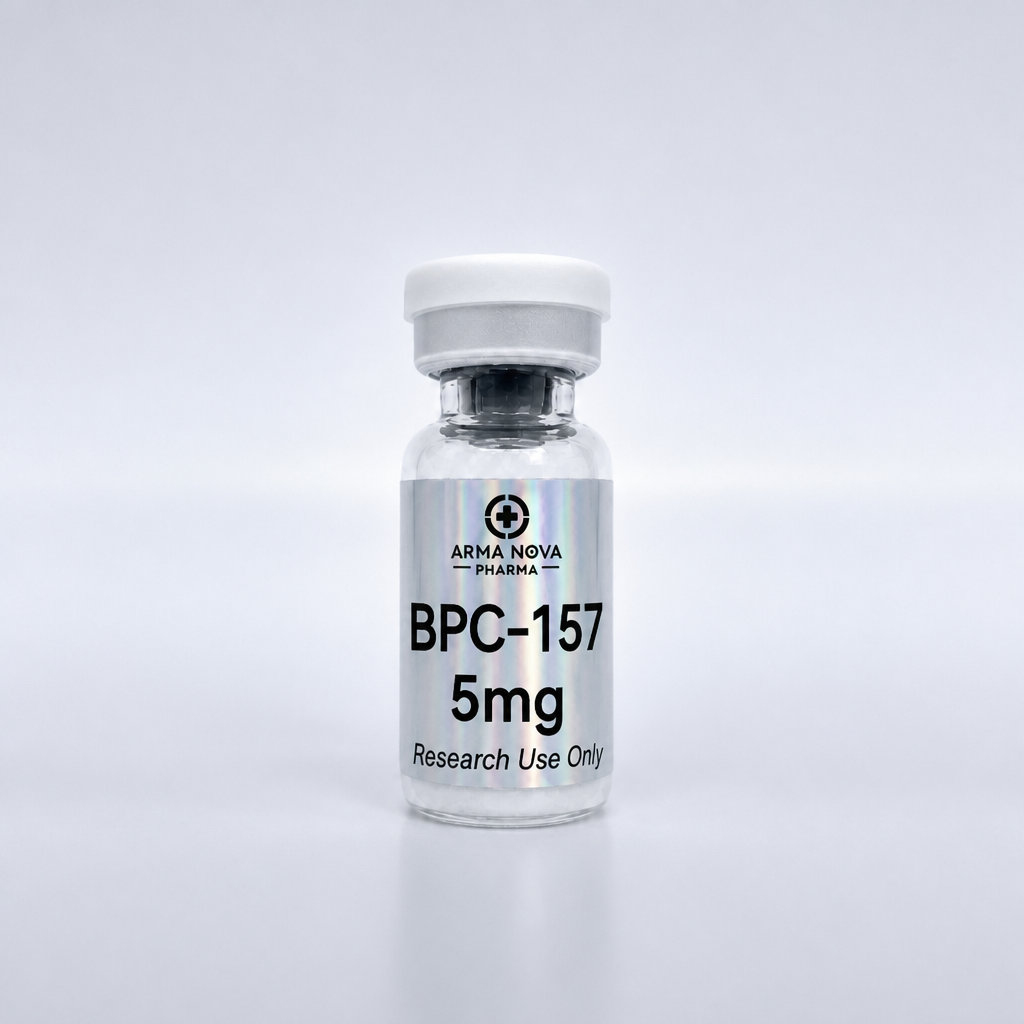
Unlike many peptides discussed in biohacking circles, BPC-157 (Body Protection Compound-157) originates from a defined biochemical source: it’s a pentadecapeptide fragment derived from body protection compound proteins found naturally in human gastric juice. This gastric origin is not trivial—it underpins the peptide’s cytoprotective properties and offers mechanistic clues about optimal dosing windows, administration routes, and tissue-specific effects that many UK suppliers overlook when discussing research protocols.
This guide examines published BPC-157 dosage data from peer-reviewed studies, explains the molecular mechanisms that inform dosing decisions, and provides UK-specific guidance on sourcing HPLC-verified peptides with transparent Certificate of Analysis documentation. All protocols referenced are for research purposes only—BPC-157 is not approved for human therapeutic use in the UK and is supplied under the understanding that it will be used strictly for laboratory and scientific investigation.
The Gastric Pentadecapeptide: Biochemical Mechanism and Dose-Response Relationships
Understanding BPC-157 dosage begins with understanding what the peptide actually does at the molecular level. BPC-157 is a synthetic sequence of 15 amino acids (Gly-Glu-Pro-Pro-Pro-Gly-Lys-Pro-Ala-Asp-Asp-Ala-Gly-Leu-Val) that mimics a protective peptide fraction isolated from human gastric juice. Its stability is noteworthy: unlike many bioactive peptides, BPC-157 remains intact in gastric acid for extended periods, which is why oral administration routes have been investigated alongside subcutaneous and intramuscular protocols.
The peptide’s mechanism centres on modulation of several growth factor pathways, particularly those involving vascular endothelial growth factor (VEGF) expression and nitric oxide (NO) signalling. Research indicates BPC-157 influences the FAK-paxillin pathway, promoting tendon fibroblast migration—a critical component of soft tissue repair. Importantly, these effects appear to occur in a dose-dependent manner, but not necessarily in a linear relationship.
In a comprehensive 2018 review published in Current Neuropharmacology, Sikiric and colleagues examined the brain-gut axis interactions of BPC-157 and noted that doses ranging from as low as 10 ng/kg to 10 µg/kg produced observable effects in various experimental models (PMID: 28707506). The wide therapeutic window suggests that precise dosing may be less critical than with many pharmaceutical compounds, though optimal outcomes still correlate with appropriate dosing for specific tissue targets.
What differentiates BPC-157 from standard growth factors is its apparent ability to work through multiple parallel pathways. It doesn’t simply upregulate a single receptor—it appears to modulate the extracellular matrix environment, influence angiogenesis, reduce inflammatory markers, and protect against various forms of cellular stress. This multi-target activity means that BPC-157 dosage protocols may need to consider the specific tissue being investigated and the type of injury or damage model being studied.
What the Published Research Shows: Specific Doses and Outcomes
When examining human-equivalent dosing, researchers typically convert rodent study doses using established allometric scaling formulas. The most frequently cited studies use doses in the microgram per kilogram range, which provides a useful reference point for UK laboratories establishing their own protocols.
A 2019 systematic review by Gwyer and colleagues in Cell and Tissue Research analysed multiple studies investigating BPC-157’s role in musculoskeletal soft tissue healing (PMID: 30680468). The review identified consistent positive effects across tendon, ligament, muscle, and bone healing models, with most studies employing doses between 10 µg/kg and 20 µg/kg administered once daily. Notably, the review highlighted that systemic administration (intraperitoneal in rodent models) produced effects comparable to local administration, suggesting the peptide’s effects are not purely local but involve systemic signalling pathways.
In the aforementioned 2011 study by Chang and colleagues specifically examining tendon healing, rats received 10 µg/kg of BPC-157 administered intraperitoneally once daily for 14 days following surgical transection of the Achilles tendon (PMID: 21885801). The treatment group demonstrated significantly increased tensile strength, improved fibre organisation, and enhanced cellular infiltration compared to controls. The study measured force-to-failure at 28.9 ± 4.2 N in the BPC-157 group versus 17.3 ± 3.1 N in controls—a 67% improvement in mechanical properties.
When translating rodent doses to potential human-equivalent doses using the FDA’s standard conversion factors (which account for body surface area rather than simple weight), a 10 µg/kg dose in rats corresponds to approximately 1.6 µg/kg in humans. For a 75 kg individual, this would equate to roughly 120 µg per administration. Many research protocols documented in grey literature and investigator reports cluster around 200-500 µg per dose, typically administered once or twice daily, which aligns reasonably with scaled animal model doses.
It’s worth noting that various administration routes have been studied. Subcutaneous administration appears most common in published protocols, though intramuscular, intraperitoneal (in animal models), and even oral routes have demonstrated efficacy. The peptide’s stability in gastric environments makes oral administration theoretically viable, though most controlled studies opt for injection routes to ensure precise dosing and bioavailability.
Research Dose Protocols: What Published Studies Actually Used
Establishing an appropriate BPC-157 dosage for research purposes requires examining the specific protocols published in peer-reviewed literature. The following represents a synthesis of dosing regimens documented across multiple studies:
Standard Single-Dose Research Protocols
- Tendon and ligament repair models: 10-20 µg/kg once daily, administered subcutaneously or intraperitoneally, for 14-28 day periods. Studies typically show measurable histological improvements by day 7 and significant functional improvements by day 14.
- Gastric ulcer and intestinal injury models: Doses as low as 10 ng/kg have shown protective effects, though 10 µg/kg remains standard. Administration typically begins immediately after injury induction and continues for 7-14 days.
- Muscle injury models: 10 µg/kg once daily, with treatment beginning within 24 hours of injury and continuing for 14 days. Both local (intramuscular near injury site) and systemic (intraperitoneal) administration show efficacy.
- Bone healing models: Similar dosing to soft tissue protocols, 10-20 µg/kg daily, with longer treatment windows (21-42 days) reflecting the extended timeline of bone remodelling.
Human-Equivalent Research Reference Doses
While BPC-157 is not approved for human use in clinical settings in the UK, research institutions investigating potential applications typically reference the following dose ranges based on allometric scaling from animal studies:
- Conservative protocol: 200-300 µg per administration, once daily, delivered via subcutaneous injection
- Moderate protocol: 400-500 µg per administration, once or twice daily depending on the acute or chronic nature of the research model
- Upper-range protocol: 500-750 µg per administration, typically reserved for investigations involving more severe tissue damage models or when prior lower-dose protocols have been documented
These reference doses are provided strictly for research context. Any laboratory or institution must conduct appropriate preliminary studies, obtain necessary ethical approvals, and establish their own protocols based on their specific research objectives and regulatory framework.
Administration Timing and Duration
Published studies show variation in treatment duration based on the tissue and injury model:
- Acute injury models: Treatment typically begins immediately (within 24 hours) and continues for 2-4 weeks
- Chronic condition models: Treatment periods extend to 4-8 weeks, with some investigations running 12 weeks to assess long-term remodelling
- Preventative models: Some studies administer BPC-157 before injury induction, showing protective effects even when dosing occurs 24 hours prior to damage
The peptide’s half-life has not been extensively characterised in published pharmacokinetic studies, but dosing intervals of 12-24 hours appear standard across most protocols, suggesting sufficient duration of action to avoid multiple daily administrations in many research contexts.
UK Sourcing Guide: HPLC Verification, COAs, and Purity Standards
Establishing proper BPC-157 dosage protocols becomes meaningless if the peptide being used lacks verified purity and composition. The UK research peptide market includes numerous suppliers, but quality varies dramatically. Understanding what to look for—and what red flags to avoid—is essential for any serious research application.
Why Purity Matters for Dosing Accuracy
A peptide listed as “BPC-157 5mg” that contains only 80% actual peptide content effectively delivers 4mg of active compound. If a research protocol calls for 500 µg dosing based on published literature using >99% pure peptide, using an 80% pure product means the actual dose is approximately 400 µg—a 20% reduction that could significantly impact experimental outcomes and make cross-study comparisons invalid.
High-performance liquid chromatography (HPLC) is the gold standard analytical method for peptide purity verification. HPLC separates compounds based on their interaction with a stationary phase column, allowing precise quantification of the target peptide versus impurities, degradation products, or synthesis by-products. Reputable UK suppliers provide HPLC certificates showing purity ≥98%, with the highest-quality peptides reaching 99% or above.
How to Read a Certificate of Analysis
A legitimate Certificate of Analysis (COA) for BPC-157 should include several key elements:
- Batch number: Specific identifier linking the COA to the exact synthesis batch you’ve received
- Appearance: Should be white to off-white lyophilised powder for BPC-157
- HPLC purity: Percentage purity determined by HPLC analysis, ideally ≥99%
- Mass spectrometry: Confirms molecular weight matches BPC-157’s expected mass (1419.5 Da)
- Peptide content: Actual peptide content by weight, accounting for counterions and moisture
- Endotoxin levels: Should be <1.0 EU/mg for research-grade material
- Testing laboratory: Third-party laboratory details (independent verification preferred)
UK researchers should request COAs before purchase and verify that batch numbers on received vials match those on provided certificates. Suppliers who cannot provide batch-specific COAs or who offer only generic “representative” certificates should be approached with caution.
UK Regulatory Context for Research Peptides
In the United Kingdom, BPC-157 is not licensed as a medicine by the Medicines and Healthcare products Regulatory Agency (MHRA) and is not approved for human therapeutic use. It is legally available for purchase strictly for research purposes under the understanding that it will be used in laboratory settings for scientific investigation, not for human consumption or medical treatment.
Researchers and institutions must ensure they operate within appropriate ethical frameworks when conducting peptide research. Animal studies require Home Office licensing under the Animals (Scientific Procedures) Act 1986. Any research involving human subjects would require extensive regulatory approval, which BPC-157 has not obtained in the UK context.
Purchasing peptides for personal use outside a research context may raise legal questions. The supply of unlicensed medicines for human use is restricted under UK law. Reputable suppliers, including those serving the UK market, explicitly state that their products are for research use only and are not intended for human consumption.
What to Look for in a UK Peptide Supplier
When sourcing BPC-157 for research applications, UK institutions should evaluate suppliers based on several criteria:
- Transparent purity documentation: Published COAs for every batch, not just generic certificates
- Proper storage and handling: Peptides should be stored at -20°C and shipped with appropriate cold chain management
- Clear research-use statements: Legitimate suppliers explicitly state products are for research only
- UK-based operations or established UK supply chains: Reduces customs issues and ensures faster delivery with less temperature variation
- Customer support familiar with research applications: Ability to discuss reconstitution, storage, and handling questions competently
- Pricing aligned with quality: Extremely cheap peptides relative to market rates often indicate inferior purity or questionable sourcing
At Arma Peptides, we supply BPC-157 5mg and BPC-157 10mg vials with ≥99% HPLC-verified purity, providing batch-specific COAs with every order shipped within the UK. For researchers investigating combined peptide protocols, our BPC-157 + TB-500 Blend offers verified dual-peptide composition for studies examining synergistic effects on tissue repair mechanisms.
Reconstitution and Storage Considerations
Proper reconstitution directly impacts effective dosing. BPC-157 is supplied as a lyophilised powder requiring reconstitution with bacteriostatic water or sterile water for injection. The standard approach for research applications:
- For 5mg vial: Reconstitute with 2.5ml bacteriostatic water, yielding 2mg/ml concentration. Each 0.25ml (250µl) contains 500µg of peptide.
- For 10mg vial: Reconstitute with 5ml bacteriostatic water, yielding 2mg/ml concentration. Each 0.25ml contains 500µg of peptide.
Reconstituted peptide should be stored at 2-8°C (refrigerated) and used within 30 days for optimal stability. Lyophilised powder remains stable for 12-24 months when stored at -20°C, away from light and moisture.
When calculating BPC-157 dosage from reconstituted solution, always verify the concentration based on actual peptide content stated in the COA, not just the vial label. A “5mg” vial with 98% purity contains 4.9mg actual peptide, which should be factored into concentration calculations for precise research dosing.
Comparing BPC-157 to Related Peptides: Dosing Considerations
BPC-157 is frequently discussed alongside other regenerative peptides, particularly TB-500 (Thymosin Beta-4 fragment). Understanding comparative dosing helps researchers design appropriate protocols when investigating single versus combined peptide applications.
| Parameter | BPC-157 | TB-500 | Combined Protocol |
|---|---|---|---|
| Typical research dose | 200-500 µg daily | 2-5 mg twice weekly | BPC-157 250-500 µg daily + TB-500 2mg twice weekly |
| Molecular weight | 1419.5 Da | 4963 Da | N/A |
| Primary mechanism | VEGF modulation, FAK-paxillin pathway, NO signalling | Actin regulation, cell migration promotion | Potentially synergistic through distinct pathways |
| Administration frequency | Daily (once or twice) | 2-3 times per week | BPC-157 daily, TB-500 twice weekly |
| Tissue targets (published research) | Tendon, ligament, muscle, gastric mucosa, intestinal tissue, nerve | Primarily muscle, tendon, some vascular | Broad soft tissue applications |
| Storage (reconstituted) | 2-8°C, 30 days | 2-8°C, 30 days | Both refrigerated, separate vials |
Some research protocols investigate combined administration to target tissue repair through complementary mechanisms. BPC-157’s effects on angiogenesis and inflammatory modulation may complement TB-500’s influence on cell migration and structural protein organisation. However, combined protocols should be approached systematically, with single-peptide baseline data established before examining interactions.
Frequently Asked Questions: BPC-157 Dosage for UK Researchers
What is the standard BPC-157 dosage used in published research studies?
Published animal studies most commonly use 10-20 µg/kg administered once daily via subcutaneous or intraperitoneal routes. When scaled to human-equivalent doses using standard allometric conversion factors, this translates to approximately 1.6-3.2 µg/kg, or roughly 120-240 µg for a 75kg subject. However, investigator reports and research protocols often reference 200-500 µg per administration based on practical application and observed safety margins in animal models. All such protocols are for research purposes only—BPC-157 is not approved for human therapeutic use in the UK.
How long should a BPC-157 research protocol typically run?
Duration depends on the tissue and condition being investigated. Acute soft tissue injury models in published studies typically run 14-28 days, with measurable effects appearing within the first week. Chronic condition models or investigations of bone healing may extend to 6-12 weeks. The 2011 study by Chang et al. demonstrated significant tendon healing improvements within 14 days, while longer studies examining complete tissue remodelling have run 42 days or more. Research institutions should design duration based on their specific endpoints and measurement criteria.
Does BPC-157 dosage differ based on administration route?
Published studies show efficacy across multiple routes—subcutaneous, intramuscular, intraperitoneal (in animals), and oral—often with similar effective dose ranges. Subcutaneous administration is most common in research protocols due to ease of administration and consistent absorption. The peptide’s remarkable stability in gastric acid has enabled oral administration studies, though injection routes provide more precise dosing control. Local versus systemic administration (e.g., injecting near an injury site versus distant systemic injection) has been compared in several studies, with both approaches showing efficacy, suggesting the peptide works through systemic signalling pathways rather than purely local mechanisms.
How do I verify I’m receiving pharmaceutical-grade BPC-157 suitable for research?
Demand batch-specific Certificates of Analysis showing ≥98% purity by HPLC, confirmed molecular weight by mass spectrometry (should be 1419.5 Da), and endotoxin levels <1.0 EU/mg. The COA should include the batch number matching your received vial. Verify the supplier operates transparently with UK delivery options and explicitly states research-use-only terms. Be skeptical of suppliers offering significantly below-market pricing, generic COAs not linked to specific batches, or making therapeutic claims about peptides. Arma Peptides provides batch-specific third-party verified COAs with every UK order, ensuring researchers receive precisely characterised material for accurate experimental work.
Can BPC-157 dosage be split across multiple daily administrations?
While most published animal studies use once-daily dosing, some research protocols investigate twice-daily administration, particularly for acute injury models or when mimicking the continuous exposure that might occur with oral dosing. Splitting a daily dose (e.g., 500 µg total given as 250 µg twice daily) may theoretically provide more stable plasma levels, though direct comparative studies specifically examining once versus twice-daily protocols are limited. The peptide’s half-life and pharmacokinetics in humans have not been extensively published, making definitive recommendations difficult. Research institutions should consider their specific model, measurement endpoints, and practical administration constraints when designing dosing schedules.
Safety Considerations and Adverse Effects in Published Research
An important aspect of establishing appropriate BPC-157 dosage protocols involves understanding the safety profile documented in animal research. The existing literature consistently reports a remarkably wide therapeutic window with minimal observed toxicity even at doses significantly exceeding those used in efficacy studies.
Sikiric’s extensive body of work, spanning multiple decades, has investigated BPC-157 in numerous injury and damage models without reporting significant adverse effects at doses ranging from nanograms to micrograms per kilogram. Studies have administered the peptide continuously for weeks to months without documented toxicity in standard markers (liver enzymes, renal function, haematological parameters).
This apparent safety profile is often attributed to the peptide’s origin as a fragment of naturally occurring gastric proteins. Unlike synthetic compounds with no biological precedent, BPC-157’s sequence mimics endogenous protective peptides, potentially reducing immunogenicity and off-target effects.
However, several important caveats apply:
- Long-term human safety data does not exist: While animal studies show favourable short-to-medium-term safety, multi-year human safety studies have not been conducted.
- Individual variation is unknown: Animal studies use genetically similar populations; human genetic diversity may reveal susceptibilities not apparent in rodent models.
- Interaction studies are lacking: How BPC-157 interacts with common medications, supplements, or pre-existing conditions has not been systematically investigated.
- Regulatory oversight is absent: Without clinical trials and regulatory approval, manufacturing consistency and quality control across suppliers varies widely.
For these reasons, UK research institutions must maintain strict ethical oversight of any protocols involving BPC-157, ensure appropriate informed consent processes, and implement comprehensive monitoring of any experimental subjects.
Future Research Directions and Unanswered Dosing Questions
Despite decades of animal research, significant questions about optimal BPC-157 dosing remain unanswered. Areas requiring further investigation include:
Tissue-specific dose optimisation: While 10-20 µg/kg appears broadly effective across various tissues, whether specific tissues (cartilage versus muscle versus nerve) respond optimally to different doses has not been systematically explored.
Pharmacokinetic profiling: Detailed absorption, distribution, metabolism, and excretion studies in larger animals or humans would enable more rational dosing interval decisions rather than relying on convention from rodent studies.
Dose-response curves: Most studies compare a single BPC-157 dose to control groups. Comprehensive dose-response studies examining 3-5 different doses simultaneously would clarify whether effects plateau, continue increasing linearly, or show biphasic responses.
Chronic versus acute dosing: Whether continuous long-term administration provides ongoing benefits or whether intermittent “pulsed” protocols might offer advantages has not been rigorously compared.
Combination protocols: When BPC-157 is administered alongside other regenerative peptides or therapies, optimal dosing may differ from monotherapy protocols. Systematic studies of combination regimens are largely absent from current literature.
UK research institutions with capacity to investigate these questions would make valuable contributions to the field, particularly if using standardised, HPLC-verified peptides with transparent provenance that enable cross-study comparisons.
Practical Protocol Development for UK Research Institutions
For institutions establishing BPC-157 research protocols, we recommend the following systematic approach:
1. Literature review and dose selection: Begin by thoroughly reviewing published studies most similar to your intended research model. Document the doses used, administration routes, treatment durations, and measured endpoints. Use allometric scaling formulas if translating between species.
2. Supplier qualification: Source peptides exclusively from suppliers providing batch-specific COAs with ≥99% purity. Verify a small sample batch through independent analysis if conducting large-scale studies. Establish a relationship with a supplier offering consistent UK delivery and responsive technical support.
3. Pilot dose-finding: If feasible within your research design, conduct preliminary work with 2-3 different doses to establish dose-response relationships in your specific model rather than assuming published doses translate perfectly.
4. Standardised reconstitution and administration: Develop and document precise standard operating procedures for reconstitution, storage, and administration. Include concentration calculations and verification steps to eliminate dosing errors.
5. Comprehensive endpoint measurement: Design measurement protocols capturing both your primary endpoints and potential adverse effects. Include baseline measurements, regular interval assessments, and post-treatment follow-up.
6. Documentation and data sharing: Maintain detailed records of peptide batch numbers, actual administered doses, timing, and all measured outcomes. Consider contributing findings to the broader research community through publication or data repository submission.
This systematic approach ensures research quality, enables meaningful comparison with published literature, and contributes to the evidence base that may eventually support regulatory evaluation of BPC-157 for potential therapeutic applications.
Conclusion: Evidence-Based Approaches to BPC-157 Dosage
The question of appropriate BPC-157 dosage cannot be answered with a single number divorced from context. Published research demonstrates efficacy across a range of doses from 10-20 µg/kg in animal models, translating to approximately 200-500 µg per administration when scaled to human-equivalent doses for research purposes. However, optimal dosing depends on the specific tissue being investigated, the nature and severity of injury or condition, administration route, and treatment duration.
What the literature does demonstrate clearly is that BPC-157’s gastric peptide origin, multi-pathway mechanism of action, and apparent wide therapeutic window distinguish it from many other compounds investigated for tissue repair applications. The peptide’s effects on VEGF expression, FAK-paxillin signalling, and nitric oxide pathways provide mechanistic rationale for its observed effects on tendon, muscle, gastric, and other tissues documented in peer-reviewed studies.
For UK researchers and institutions, establishing rigorous protocols begins with sourcing HPLC-verified peptides with transparent purity documentation, designing studies informed by published dose ranges, and maintaining ethical oversight appropriate for the experimental context. The current regulatory framework in the UK positions BPC-157 strictly as a research compound, not an approved therapy, which places responsibility on researchers to ensure appropriate use within laboratory settings.
As research continues and hopefully expands to include detailed human pharmacokinetic studies and well-controlled trials, the evidence base for optimal dosing will strengthen. Until then, UK research institutions conducting peptide investigations should ground their protocols in the existing published literature, use precisely characterised materials, and contribute their findings to the growing body of knowledge surrounding this gastric pentadecapeptide.
Arma Peptides supplies research-grade BPC-157 5mg and BPC-157 10mg with ≥99% HPLC-verified purity and batch-specific COAs to UK research institutions, alongside our BPC-157 + TB-500 Blend for combined protocol investigations. All products are supplied strictly for research use only in accordance with UK regulations.
Disclaimer
This article is provided for educational and informational purposes only. BPC-157 is not approved by the UK Medicines and Healthcare products Regulatory Agency (MHRA) for human therapeutic use and is not intended to diagnose, treat, cure, or prevent any disease. All information presented regarding dosing protocols refers exclusively to published scientific research and is not medical advice.
BPC-157 is supplied by Arma Peptides strictly for laboratory research purposes only and is not intended for human consumption or veterinary use. Researchers and institutions are responsible for ensuring their use of research peptides complies with all applicable UK laws, regulations, and ethical guidelines, including obtaining necessary approvals for animal or human subject research.
Always consult with qualified medical professionals regarding any health conditions. Do not use research peptides outside properly supervised laboratory or clinical research contexts with appropriate ethical oversight.

Add comment