
No products in the cart.
Buy TB-500 UK: Verified Supplier Guide 2026
Buy TB-500 UK: Sourcing, Verification, and What Most Suppliers Won’t Tell You
When you buy TB-500 UK, you’re not purchasing full-length Thymosin Beta-4 — you’re acquiring a synthetic 43-amino-acid fragment corresponding to residues 17-23 of the parent protein. This distinction matters because it explains both the peptide’s mechanism and why quality varies so dramatically between suppliers. The fragment’s actin-binding domain drives cell migration and angiogenesis, but only if the synthesis fidelity and purity meet research standards. Most UK vendors conflate TB-500 with Thymosin β4 without clarifying the structural difference, leaving researchers uncertain whether they’re comparing equivalent products.
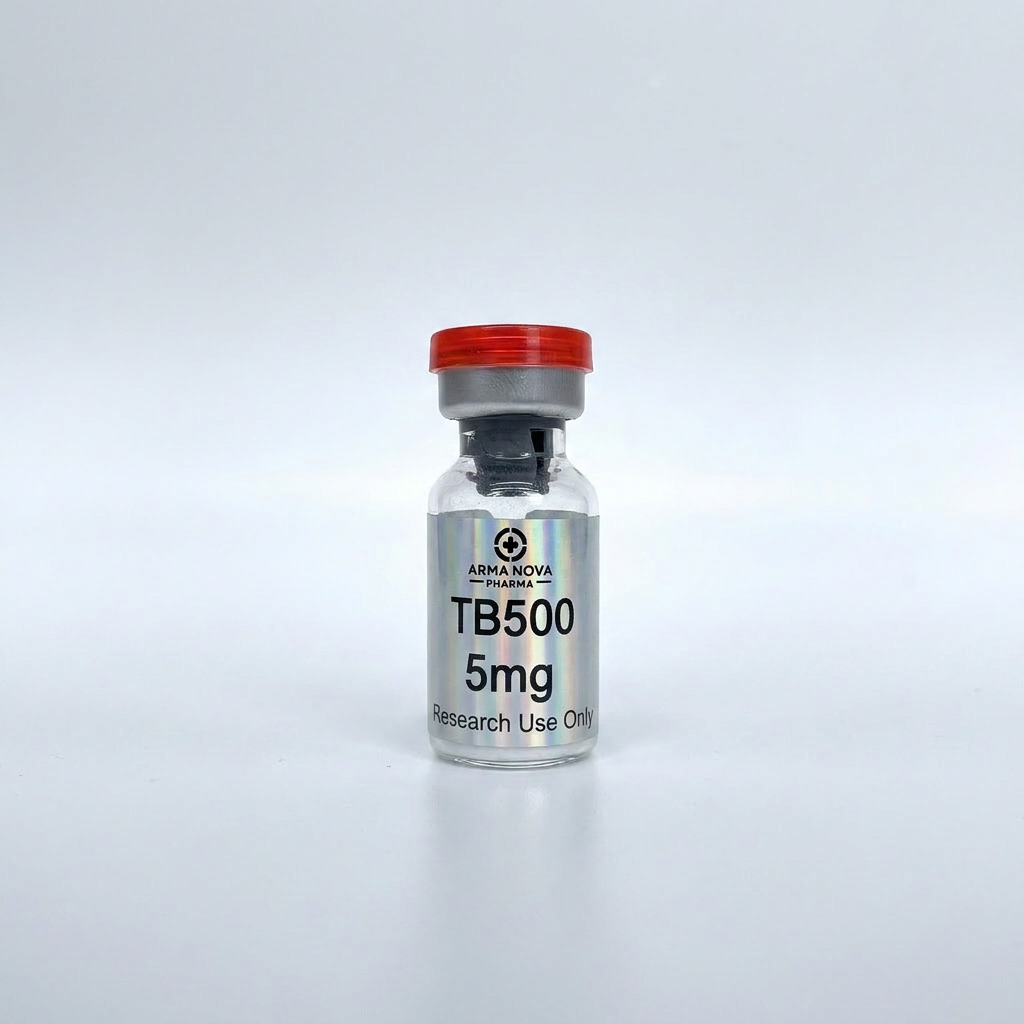
This guide deconstructs what separates research-grade TB-500 from underdosed or contaminated variants, maps the UK regulatory landscape for peptide sourcing, and provides verification criteria that matter more than marketing claims. You’ll find specific PubMed-cited mechanistic evidence, HPLC purity benchmarks, and practical guidance on UK delivery, pricing context in GBP, and Certificate of Analysis (COA) interpretation. If you’ve encountered contradictory advice on dosing protocols or vague claims about “pharmaceutical grade” without supporting documentation, the following sections cut through the ambiguity.
TB-500 vs. Thymosin Beta-4: Why the Synthesis Route Determines What You’re Actually Buying
Full-length Thymosin β4 is a 43-amino-acid polypeptide first isolated from thymus tissue in the 1960s. TB-500 replicates this sequence but is synthesized via solid-phase peptide synthesis (SPPS) rather than extracted from biological sources. The critical functional region — the actin-binding motif LKKTET at positions 17-23 — remains intact in properly synthesized TB-500, which is why it retains the parent molecule’s regenerative properties.
Research by Goldstein et al. (2012) in Current Pharmaceutical Design clarifies that Thymosin β4’s actin sequestration prevents polymerization, thereby facilitating cell motility and wound repair. When you buy TB-500 in the UK, you should receive a peptide with this exact sequence integrity — but SPPS errors (deletions, truncations, or racemization of amino acids) can abolish bioactivity even if HPLC purity appears acceptable. A 98% pure sample containing 2% deletion sequences is functionally inferior to a 96% pure batch with complete sequence fidelity.
Most UK suppliers omit sequence verification data from their COAs, listing only percentage purity. This is the first red flag. Authentic research-grade TB-500 should include mass spectrometry confirmation of the expected molecular weight (4963.4 Da) and, ideally, amino acid analysis. Arma Peptides publishes batch-specific COAs that include both HPLC purity (consistently ≥99%) and mass spec verification, accessible via the product pages for TB-500 5mg and TB-500 10mg.
The Actin-Binding Mechanism: How TB-500 Drives Angiogenesis and Tissue Repair
TB-500’s primary mechanism involves sequestering G-actin monomers, preventing their incorporation into F-actin filaments. This disruption of the cellular cytoskeleton promotes cell migration — essential for wound healing, angiogenesis, and tissue remodeling. Philp et al. (2003) demonstrated in Mechanisms of Ageing and Development that Thymosin β4 accelerates dermal wound closure in animal models by upregulating laminin-5 and integrin expression, which facilitate keratinocyte migration.
In cardiovascular contexts, TB-500’s angiogenic effects stem from endothelial progenitor cell mobilization and vascular endothelial growth factor (VEGF) pathway modulation. The Crockford (2007) review in Annals of the New York Academy of Sciences outlines clinical trials where Thymosin β4 administration improved ejection fraction and reduced infarct size in ischemic heart disease patients. While these were Phase II trials with full-length Thymosin β4 rather than synthetic TB-500, the shared actin-binding domain suggests comparable mechanisms — though direct human trials with TB-500 remain limited.
What researchers often miss: TB-500’s half-life is context-dependent. Subcutaneous administration yields a half-life of approximately 2.5-3 hours in rodent models, but tissue retention extends functional duration. The peptide’s systemic circulation allows non-localized effects — why researchers report distal tendon recovery even with non-site-specific injection. This contrasts with BPC-157, which some protocols stack with TB-500 for localized and systemic coverage. Arma’s BPC-157 + TB-500 Blend addresses this by combining both peptides in a single vial at research-relevant ratios.
UK Regulatory Status: Research Use, Import Compliance, and Enforcement Context
TB-500 is not licensed for human therapeutic use in the UK. The Medicines and Healthcare products Regulatory Agency (MHRA) classifies it as a research chemical, permissible for in vitro and animal studies but not approved for human administration. Under the Human Medicines Regulations 2012, supplying TB-500 for human use without a marketing authorization constitutes an offense.
When you buy TB-500 in the UK for legitimate research, you’re operating within a legal framework that permits possession and use in controlled settings (academic labs, veterinary research, approved animal studies). Personal importation from non-UK suppliers carries additional scrutiny — HM Revenue & Customs may intercept shipments if documentation doesn’t clearly indicate research intent. UK-based suppliers like Arma Peptides eliminate this risk by fulfilling orders domestically, with discreet packaging and next-day delivery options that avoid customs delays.
Enforcement typically targets suppliers making therapeutic claims rather than end-users conducting private research. However, the MHRA periodically issues warning letters to vendors advertising TB-500 for human health outcomes. This is why reputable UK suppliers phrase product descriptions around research applications and include disclaimers about non-human use. If a vendor’s website features testimonials about athletic recovery or before/after photos, that’s a compliance red flag that may signal imminent regulatory action — and unreliable supply continuity for your research.
When You Buy TB-500 UK: Purity Verification Criteria That Actually Matter
HPLC purity percentage is necessary but insufficient for quality assurance. Here’s what a research-grade COA should include, and why each matters:
| Parameter | Standard | Why It Matters |
|---|---|---|
| HPLC Purity | ≥98% | Quantifies intact peptide vs. synthesis byproducts; below 97% suggests poor SPPS conditions |
| Mass Spectrometry (MS) | Expected MW 4963.4 Da ±1 Da | Confirms correct amino acid sequence; detects deletions or additions HPLC misses |
| Peptide Content | ≥95% by weight | Accounts for counterions, residual TFA, and moisture; prevents overdosing if you calculate by vial weight |
| Appearance | White lyophilized powder | Yellowish tint indicates oxidation or TFA contamination; clumping suggests moisture ingress |
| Bacterial Endotoxins | <5 EU/mg (if intended for injection) | Limulus amebocyte lysate (LAL) test; excess endotoxins cause inflammatory responses in animal models |
COA fabrication is more common than most researchers assume. Cross-reference batch numbers with third-party lab stamps or contact details. Legitimate COAs include the testing lab’s name, address, and accreditation (ISO 17025 is the gold standard). If the COA lists only “in-house testing” without external verification, request a sample for independent analysis before committing to bulk orders.
Arma Peptides’ approach: each batch undergoes HPLC and MS at an ISO-accredited UK facility, with results published per batch code on the product pages. Download links remain accessible indefinitely, allowing retrospective verification if you’re documenting multi-month protocols. GBP pricing starts at £47 for 5mg vials, positioning competitively against imports once you account for customs delays and potential seizure risk.
Reconstitution, Storage, and Stability: Variables That Determine Effective Potency
Lyophilized TB-500 remains stable at -20°C for approximately 24 months. Once reconstituted with bacteriostatic water, degradation accelerates — expect 80-90% retained potency at 4°C for 28 days, dropping to 60-70% by day 60. Freeze-thaw cycles further reduce bioactivity; if your protocol requires multiple uses from a single vial, aliquot immediately after reconstitution and store at -80°C.
Common error: reconstituting with sterile water instead of bacteriostatic water (0.9% benzyl alcohol). Sterile water lacks antimicrobial properties, meaning bacterial contamination becomes likely if you multi-dose from the same vial over weeks. Bacteriostatic water extends microbiological safety to the 28-day refrigerated window, aligning with typical research protocol durations.
Concentration matters for injection site tolerance. Reconstituting 5mg TB-500 in 2ml bacteriostatic water yields 2.5mg/ml — a concentration well-tolerated subcutaneously in rodent studies. Higher concentrations (5mg in 1ml) increase injection site inflammation, potentially confounding wound healing studies. If your protocol involves frequent dosing, the 10mg vial format allows dilution to lower concentrations without sacrificing dosing precision.
Comparing UK TB-500 Suppliers: What Separates Research-Grade from Underdosed Vials
The UK peptide market includes established vendors, recent dropshippers relabeling generic imports, and gray-market suppliers evading MHRA notices. When you buy TB-500 in the UK, vet suppliers on these criteria:
- Batch-level COAs: Generic COAs shared across all batches suggest the supplier never tested the specific vial you received. Demand batch codes that match your order.
- Company registration: Legitimate UK suppliers maintain Companies House registration with verifiable directors. Anonymized offshore entities signal higher exit-scam risk.
- Contact transparency: Phone number and physical address (even if not a retail location). Suppliers operating solely via encrypted messaging apps disappear when issues arise.
- Payment methods: Credit card processing requires merchant compliance scrutiny that filters out the lowest-tier operations. Cryptocurrency-only vendors bypass this accountability layer.
- Stock consistency: Frequent “out of stock” periods followed by rebranded packaging suggest the supplier sources opportunistically rather than maintaining stable synthesis partnerships.
Pricing context: Research-grade TB-500 5mg vials in the UK typically range £40-£65. Anything under £35 warrants skepticism — either the peptide content is below label claim, purity is substandard, or the vial contains a cheaper analogue. Anything above £75 for 5mg reflects brand premium rather than superior quality unless accompanied by additional assays (amino acid analysis, circular dichroism for structural verification).
Arma Peptides positions at £47-£52 for 5mg depending on order volume, with published COAs and UK-based fulfillment. The TB-500 5mg page includes downloadable documentation per batch, and customer service responds to COA interpretation questions — useful if you’re new to peptide research and uncertain how to cross-reference HPLC chromatograms.
Dosing Context from Animal Research: Why Human Extrapolations Require Caution
TB-500 dosing in published studies varies by species, injury model, and outcome measured. Rodent wound healing studies typically administer 6-10mg/kg weekly, which translates to approximately 0.5-0.8mg/kg in humans via allometric scaling (factoring body surface area rather than direct weight conversion). For a 75kg individual, this suggests 37.5-60mg weekly — substantially higher than the 2-5mg weekly protocols circulating in non-peer-reviewed forums.
Cardiovascular trials in larger animals used lower relative doses: 6mg twice weekly in porcine ischemia models (roughly 0.15mg/kg), equating to 11-12mg weekly for a 75kg human. The discrepancy highlights that optimal dosing is tissue- and endpoint-specific. Wound repair may require higher systemic concentrations to saturate actin-binding sites at the injury periphery, while cardiovascular remodeling may respond to lower chronic exposure.
No published human trials establish pharmacokinetic or safety parameters for TB-500 specifically (as opposed to full-length Thymosin β4). Extrapolating animal data to human self-experimentation introduces unknowns around immunogenicity, off-target effects, and long-term safety. UK researchers operating under institutional review (animal research licenses from the Home Office) follow ARRIVE guidelines, which mandate justification of dose selection through pilot studies and prior literature — a standard absent from unregulated personal use.
Stacking Protocols: TB-500 with BPC-157, GHK-Cu, or Growth Hormone Secretagogues
Research protocols increasingly combine TB-500 with other regenerative peptides to target complementary pathways. BPC-157, a 15-amino-acid gastric peptide analogue, modulates VEGF and nitric oxide signaling independently of actin sequestration, theoretically providing additive angiogenic effects. Rodent studies pairing BPC-157 (200-500mcg/kg) with TB-500 (6-10mg/kg) report accelerated tendon healing compared to either alone, though direct synergy studies remain limited.
GHK-Cu (glycyl-L-histidyl-L-lysine-copper) acts through transforming growth factor-beta and metalloproteinase modulation, overlapping with TB-500’s collagen remodeling effects but via distinct upstream signaling. Combining the two in soft tissue repair protocols is mechanistically rational but lacks controlled trial validation.
Growth hormone secretagogues (ipamorelin, CJC-1295) elevate systemic IGF-1, which promotes satellite cell proliferation — a separate bottleneck from the cell migration TB-500 addresses. Stacking these requires staggered injection timing (GH secretagogues before sleep for endogenous pulse alignment, TB-500 post-training or injury for localized demand) and careful monitoring for insulin resistance if using supra-physiological GH exposure durations.
If your protocol explores stacking, the BPC-157 + TB-500 Blend simplifies administration by combining both peptides at a researched ratio, reducing injection frequency and potential for dosing calculation errors. The blend format also preserves stability better than pre-mixing separate vials, which can lead to peptide aggregation if pH or ionic strength is mismatched.
Red Flags When You Buy TB-500 UK: Avoiding Counterfeit and Contaminated Sources
Counterfeit TB-500 most commonly consists of cheaper peptides (GHRP-6, a 6-amino-acid sequence, costs 80% less to synthesize) or pharmaceutical excipients blended to approximate the expected weight. Mannitol or glycine — both white powders — can dilute peptide content by 30-50% without altering appearance. This is why peptide content assays (not just purity) are critical: a vial labeled “5mg” might contain 5mg total weight but only 3mg active peptide.
Visual inspection catches gross contamination but misses microbial or endotoxin issues. Reputable suppliers test every batch for bacterial endotoxins via LAL assay, with limits <5 EU/mg for injectable-grade material. Skipping this step risks pyrogenic reactions (fever, inflammation) that confound research outcomes in animal models. If a COA omits endotoxin results and the supplier claims "pharmaceutical grade," that's a contradiction — actual pharmaceutical standards mandate endotoxin testing.
Website red flags include:
- Identical product photos across multiple URLs (suggests dropshipping from a common wholesaler)
- No published contact details beyond a submission form
- Claims of “FDA approved” or “pharma grade” TB-500 (no such approvals exist)
- Accepting payment only via cryptocurrency with no chargeback option
- COAs listing 100.0% purity (HPLC resolution doesn’t yield round numbers; this indicates fabrication)
Arma Peptides maintains transparency via Companies House registration (verifiable directors and filing history), published batch COAs with third-party lab details, and UK-based customer service reachable by phone during business hours. GBP transactions process through standard merchant accounts with consumer protection, and the site avoids therapeutic claims that would trigger MHRA enforcement.
UK Delivery Logistics: Lead Times, Packaging, and Cold Chain Considerations
Lyophilized peptides tolerate ambient temperature exposure for 2-4 weeks without significant degradation, but best practice maintains cold chain. UK mainland orders from domestic suppliers typically ship next-day via Royal Mail or courier, with ice packs during warmer months. Arma Peptides uses opaque packaging to prevent UV exposure and includes desiccants to manage moisture during transit.
International orders face customs delays (7-21 days typical) and temperature excursions if held in non-refrigerated facilities. Summer shipments from non-EU suppliers carry higher degradation risk. Domestic UK sourcing eliminates these variables, ensuring the peptide you receive matches the COA stability data generated under controlled storage.
If your institution requires specific documentation (invoices with CAS numbers, safety data sheets for chemical inventory), verify the supplier provides these before ordering. Research labs audited for compliance need vendors who maintain proper documentation infrastructure, which informal suppliers often lack.
Interpreting Your TB-500 COA: A Practical Example
Sample COA from a 5mg TB-500 vial (batch TB500-0324-A):
- HPLC Purity: 99.12%
- Mass Spectrometry: 4963.8 Da (expected 4963.4 Da)
- Peptide Content: 96.4% (by amino acid analysis)
- Appearance: White lyophilized powder
- Bacterial Endotoxins: <2.5 EU/mg (LAL method)
- Testing Lab: [ISO 17025 accredited lab, UK]
Interpretation: The 99.12% HPLC purity indicates minimal synthesis impurities. The mass spec result (4963.8 Da) falls within ±0.5 Da of the theoretical molecular weight, confirming correct sequence assembly. Peptide content of 96.4% means the vial contains approximately 4.82mg active peptide (5mg × 0.964), with the remaining 0.18mg consisting of residual trifluoroacetic acid (TFA) from synthesis and counterions. When calculating doses, use the peptide content figure rather than labeled vial weight to avoid under-dosing.
The endotoxin level of <2.5 EU/mg exceeds pharmaceutical standards for subcutaneous injection, providing a safety margin if your protocol involves animal administration. Testing by an ISO 17025 lab adds third-party verification — the lab's accreditation is publicly searchable, allowing independent confirmation of their testing competence.
Cost Structure: Why Research-Grade TB-500 Can’t Match Gray Market Pricing
Solid-phase peptide synthesis of a 43-amino-acid sequence costs approximately £12-£18 per gram at commercial scale, before purification. HPLC purification adds £8-£12 per gram, and lyophilization another £2-£3. Third-party COA testing (HPLC + MS + endotoxin) costs £150-£250 per batch. Amortize testing costs across 100 vials, and the COA adds £1.50-£2.50 per vial.
A 5mg vial thus carries a raw material + testing floor of approximately £15-£20 before packaging, shipping, payment processing, and margin. UK vendors pricing 5mg vials at £40-£50 operate at sustainable margins that permit batch testing and customer service infrastructure. Vendors at £25-£30 either skip COA verification, source from non-cGMP synthesis facilities accepting higher impurity thresholds, or under-fill vials.
Bulk discounts reflect real economies of scale: synthesis batches are produced in 10g or 100g runs, so per-vial costs drop as order size increases. Arma Peptides offers tiered pricing (buy 3 vials, save 10%; buy 5, save 15%) that passes synthesis efficiency to researchers conducting extended protocols. The TB-500 10mg format provides better per-mg value for longer studies, with the same ≥99% purity and batch-level COAs.
Frequently Overlooked Details That Affect Research Outcomes
pH of reconstitution solution: Bacteriostatic water typically has a pH of 5.0-7.0. TB-500 is most stable at pH 6-7; acidic solutions (pH <5) accelerate deamidation of asparagine and glutamine residues, shortening functional half-life. If you're preparing large volumes for multi-animal studies, verify your bacteriostatic water pH with indicator strips.
Injection site selection: Subcutaneous administration in rodents typically uses the scruff, but TB-500’s systemic distribution means you don’t need site-specific injection for localized injuries. Intraperitoneal injection shows similar plasma levels but higher injection volume tolerance — relevant if your protocol requires >0.5ml per dose.
Timing relative to injury: TB-500’s angiogenic and cell migration effects are most pronounced in the proliferative phase of wound healing (days 3-10 post-injury in rodents). Administering during the inflammatory phase (days 0-3) may modulate early cytokine profiles but won’t accelerate closure rates as dramatically. Protocol timing should align with the specific regenerative bottleneck you’re studying.
Protein binding considerations: TB-500 binds actin with micromolar affinity, meaning intracellular concentrations must exceed this threshold to saturate binding sites. Systemic administration achieves nanomolar plasma levels, so the peptide’s effectiveness depends on tissue uptake and local concentration gradients. This is why some researchers front-load dosing (higher frequency in week one) to establish tissue reservoirs before transitioning to maintenance schedules.
What the Research Doesn’t Yet Tell Us: Honest Gaps in TB-500 Evidence
No long-term human safety data exists for synthetic TB-500 at research-relevant doses. Thymosin β4 trials in cardiac patients tracked outcomes over 6 months, but the longest documented TB-500 use (in veterinary contexts) spans perhaps 12-16 weeks. Chronic actin-sequestration effects on non-target tissues (CNS, gonads, immune cells with high baseline Thymosin β4 expression) remain uncharacterized.
Cancer risk is theoretically concerning. Angiogenesis promotes both wound healing and tumor vascularization; TB-500’s VEGF pathway modulation could accelerate pre-existing malignancies. No epidemiological data exists because TB-500 isn’t prescribed at scale, but the mechanistic rationale warrants caution in individuals with occult or treated cancers. Research protocols exclude animals with known tumors for this reason.
Optimal dosing remains empirically driven rather than pharmacokinetically derived. The field lacks dose-response curves in humans, clearance rate data, or minimum effective concentration thresholds for specific tissues. Protocols borrowing from animal studies apply allometric scaling — a crude approximation that doesn’t account for species differences in peptide metabolism or receptor expression.
These gaps don’t invalidate TB-500’s research utility, but they underscore why claims of “proven benefits” or “safe at any dose” are premature. If you’re conducting self-directed research outside institutional oversight, these unknowns represent your assumption of risk. Purchasing from a UK supplier with transparent COAs and compliance infrastructure at least eliminates the additional variable of product authenticity, letting you isolate the peptide’s effects from contamination or misdosing.
Final Sourcing Checklist: What to Verify Before You Buy TB-500 UK
Before committing to a supplier, confirm:
- Batch-specific COA availability: Can you download or request the COA for your exact batch code? Generic COAs are insufficient.
- HPLC chromatogram: Does the COA include the actual chromatogram, not just a purity percentage? Peaks should be well-resolved with minimal baseline noise.
- Mass spectrometry confirmation: Is the observed molecular weight within ±1 Da of 4963.4? This catches sequence errors HPLC misses.
- Peptide content assay: Is peptide content (by weight) reported separately from HPLC purity? This prevents under-dosing if you calculate by vial weight.
- Endotoxin testing: For injectable-grade material, is LAL testing included with results <5 EU/mg?
- Third-party lab verification: Is the testing lab named with searchable accreditation, or is it “in-house” with no external validation?
- UK-based fulfillment: Does the supplier ship from a UK address, avoiding customs and cold-chain risks?
- Company transparency: Can you verify the supplier via Companies House registration, with reachable customer service?
- Realistic pricing: Is the price consistent with synthesis + testing costs (£40-£65 for 5mg), not suspiciously low or inflated?
- No therapeutic claims: Does the supplier avoid “buy TB-500 for muscle recovery” language that signals regulatory non-compliance?
Arma Peptides meets these criteria with published batch COAs, ISO-accredited testing, UK domestic shipping, and transparent company registration. Whether you’re initiating a pilot study, replicating published protocols, or exploring combination therapies, starting with verified peptide quality removes a critical confound from your results.
When you buy TB-500 UK from a supplier that prioritizes documentation over marketing hyperbole, you’re not just purchasing a peptide — you’re accessing a research tool with traceable provenance, verified structure, and sufficient purity to generate reproducible data. That distinction separates exploratory tinkering from methodologically sound investigation, and it’s the foundation any serious peptide research protocol requires.

Add comment