
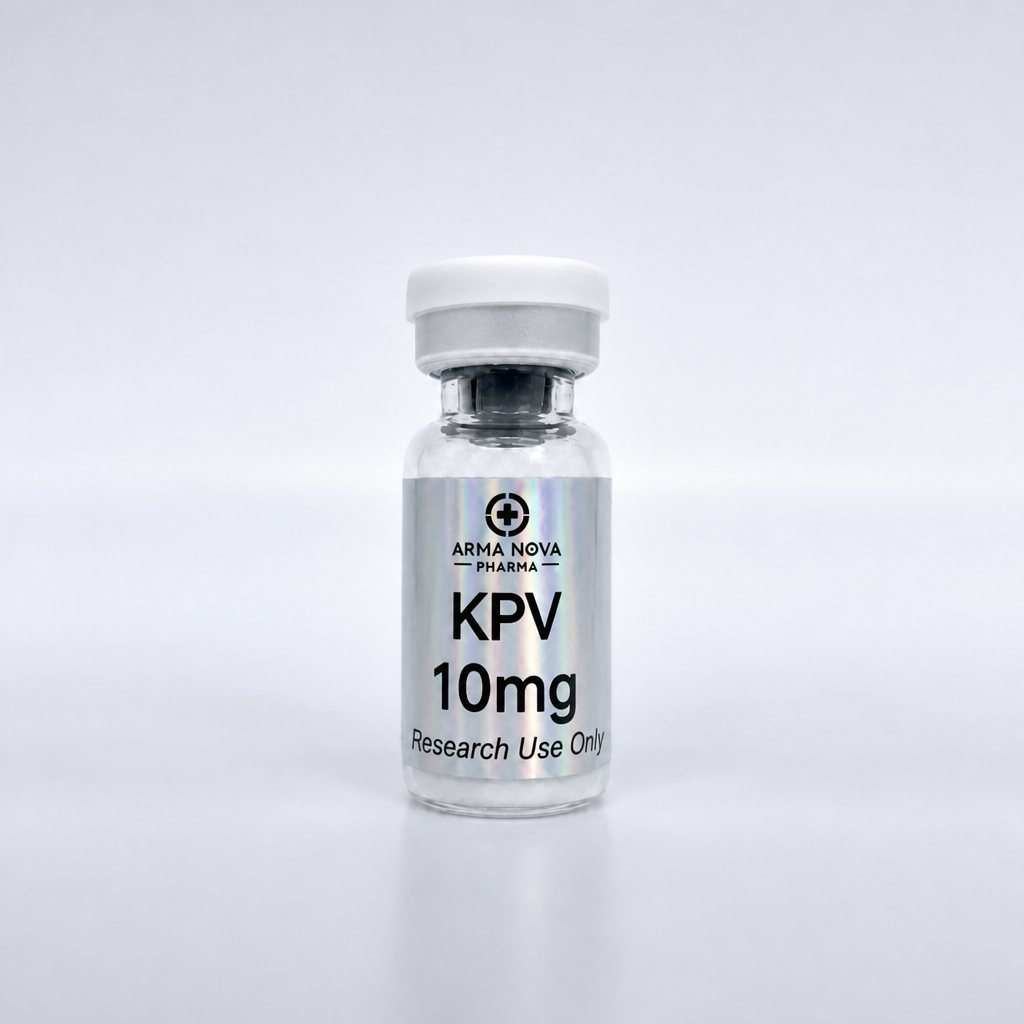
KPV 10MG
£28.00
KPV 10mg — research-grade Lys-Pro-Val tripeptide, C-terminal fragment of α-MSH. Manufactured to ≥99% purity, HPLC verified, supplied with Certificate of Analysis. Strictly for controlled laboratory research. Not for human or veterinary use.
27 people are viewing this product right now
🔥 4 items sold in last 3 hours
What Is KPV?
KPV (Lys-Pro-Val) is a naturally occurring tripeptide derived as the C-terminal fragment of alpha-melanocyte-stimulating hormone (α-MSH). KPV retains significant biological activity from the parent molecule and has been extensively studied in preclinical research contexts focused on inflammatory regulation, immune modulation, and cellular signalling. The KPV tripeptide is composed of three amino acids — Lysine, Proline, and Valine — giving it a compact molecular structure that has made it a widely referenced compound across immunology and gastroenterology research.
Unlike full-length α-MSH, the small three-amino-acid structure of KPV enables researchers to examine specific receptor-mediated effects in isolation. KPV has been investigated across melanocortin receptor subtypes, particularly MC1R and MC3R, and in studies of downstream anti-inflammatory signalling pathways. Arma Peptides supplies KPV 10mg as a lyophilised powder manufactured to ≥99% purity, intended exclusively for in vitro and in vivo laboratory research.
KPV Mechanism of Action
KPV exerts its experimentally observed activity primarily through binding to melanocortin receptors — in particular MC1R, expressed on immune cells and intestinal epithelial cells, and MC3R, found in the central nervous system and peripheral tissues. In laboratory models, KPV receptor activation has been associated with suppression of the NF-κB signalling pathway, a central transcription factor in pro-inflammatory cascades.
Studies have demonstrated that KPV can reduce the production of pro-inflammatory cytokines including TNF-α, IL-6, and IL-1β in cell culture models. The small molecular size of KPV is considered to facilitate cellular uptake and tissue distribution in experimental systems — a property explored in gut epithelial permeability models and neuroimmune studies. Beyond receptor binding, KPV has also been investigated for intracellular anti-inflammatory activity independent of receptor engagement, suggesting KPV may operate through multiple complementary mechanisms.
KPV Research Overview
KPV has been the subject of substantial peer-reviewed investigation since its identification as a bioactive α-MSH fragment. The anti-inflammatory properties of KPV in preclinical models have been documented across a range of tissue types, with foundational studies published in immunology, gastroenterology, and dermatology literature. Early research positioned KPV as a key reference compound in murine colitis models, where KPV demonstrated a capacity to reduce intestinal inflammation markers.
Subsequent KPV research expanded into skin wound healing, barrier function, and neuroimmune signalling. Structural and pharmacological data for KPV are publicly available via PubChem (NIH), with bioactivity data in the ChEMBL database (EMBL-EBI), and peer-reviewed literature indexed at NCBI.
Research Applications
KPV is referenced across a wide range of experimental models in the published literature. Documented KPV research applications include:
- Melanocortin receptor (MC1R, MC3R) binding and downstream signalling characterisation
- NF-κB pathway inhibition studies in inflammatory cell culture models
- Pro-inflammatory cytokine profiling (TNF-α, IL-6, IL-1β) in macrophage and monocyte assays
- Intestinal inflammation and gut epithelial barrier integrity investigations
- Skin wound healing and epidermal barrier function models
- Neuroimmune signalling research in central nervous system preparations
- Comparative activity profiling of KPV versus full-length α-MSH fragments
Product Specifications
| Attribute | Detail |
|---|---|
| Peptide Name | KPV (Lys-Pro-Val) |
| Quantity | 10mg |
| Form | Lyophilised powder |
| Purity | ≥99% (HPLC verified) |
| Molecular Weight | ~340.4 Da |
| Sequence | Lys-Pro-Val |
| Parent Peptide | α-MSH (C-terminal fragment) |
| Origin | Supplied by Arma Peptides, UK/EU |
| CoA | View Laboratory Tests |
Storage & Handling
KPV 10mg should be stored at –20°C in its original sealed vial, protected from light and moisture. Once reconstituted for experimental use, KPV aliquots should be kept at 4°C and used promptly in accordance with standard peptide handling protocols. Reconstitution for laboratory purposes is typically performed using sterile water or bacteriostatic water. All laboratory handling of KPV must comply with applicable institutional biosafety guidelines.
Related Research Peptides
Researchers working with KPV in inflammatory, gut barrier, or neuroimmune models may also find the following Arma Peptides compounds relevant:
- BPC-157 10mg — cytoprotective pentadecapeptide studied in tissue repair and gut integrity models
- TB500 5mg — thymosin beta-4 fragment investigated in tissue remodelling research
- Selank 10mg — anxiolytic peptide studied in neuroimmune and stress-response models
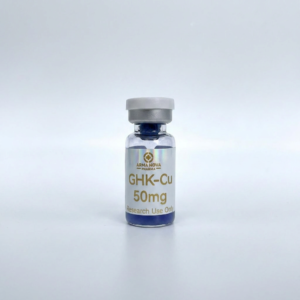
- GHK-Cu 50mg — copper peptide investigated in cellular repair and anti-inflammatory contexts
Research Disclaimer
KPV 10mg is supplied by Arma Peptides strictly for controlled scientific research. Not intended for human or veterinary use. All handling must comply with applicable institutional and regulatory guidelines.
Related products
Out of stock

Out of stock




Reviews
There are no reviews yet.